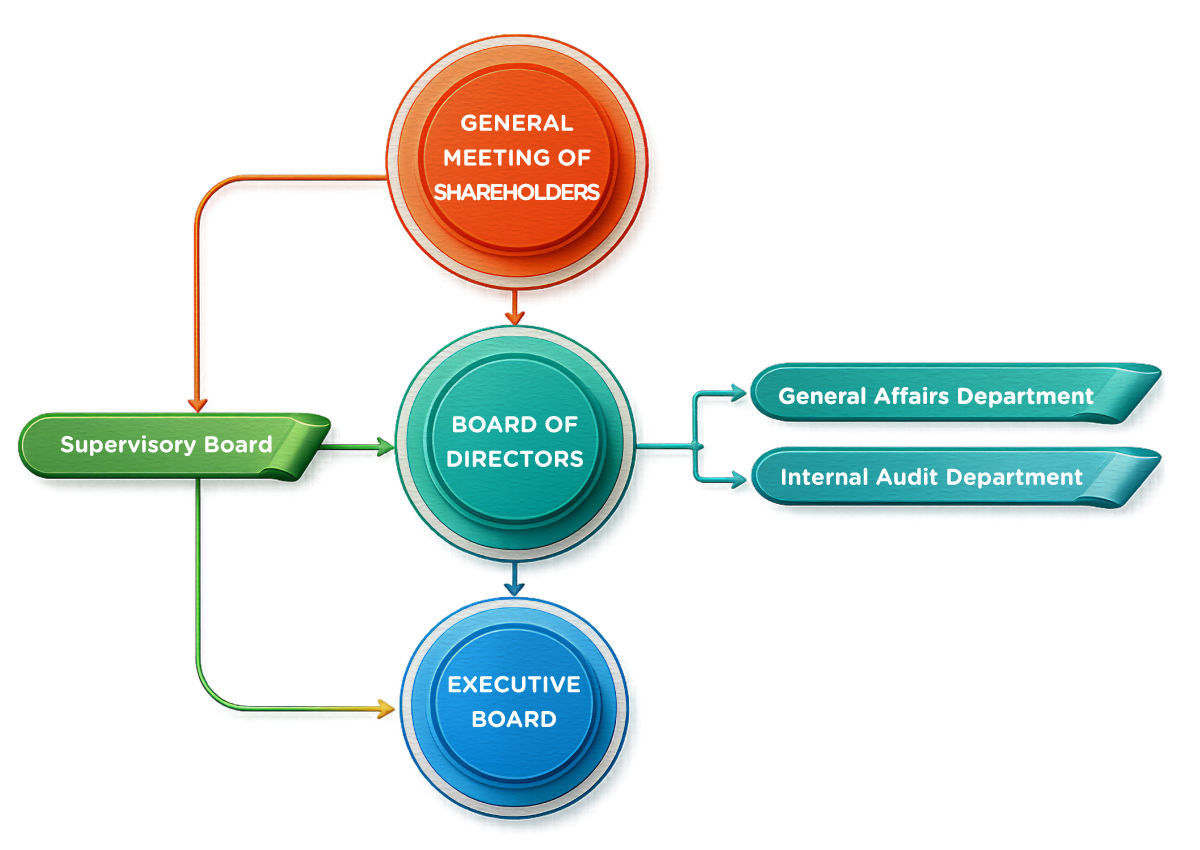
PVFCCo applies a corporate governance model in accordance with the provisions of the 2020 Law on Enterprises, comprising the General Meeting of Shareholders, the Board of Directors, the Supervisory Board, and the Executive Board. The corporate governance system is organized and operated in compliance with the requirements of Decree No. 155/2021/ND-CP, ensuring transparency, accountability, and effectiveness in the management and oversight of business operations. In 2025, PVFCCo achieved a sustainability performance score of 70% under the Vietnam Sustainability Index (VNSI), representing a significant improvement from 52% in 2024. This result reflects the effectiveness of the Corporation’s efforts to strengthen corporate governance practices, enhance disclosure transparency, and integrate ESG considerations into its governance framework. In addition, amid increasing expectations from investors, the market, and regulators regarding sustainable corporate governance, PVFCCo continued to review, update, and enhance its governance framework in alignment with good practices and the OECD Principles of Corporate Governance. Through these efforts, the Corporation aims to further strengthen its governance capabilities, improve risk management, and support long-term sustainable development.
Roles and Responsibilities of the Management Level (GRI 2-12, 2-13, 2-14)
The Board of Directors, the Supervisory Board, and the Board of Management possess adequate competence and professional qualifications, operating independently with no conflict of interest between personal interests and the Corporation’s interests. These bodies have effectively performed their assigned roles and functions, making significant contributions to the completion of the annual business and production plans.
Focal Points in Charge of Sustainable Development Activities (GRI 2-12)
The highest-level manager responsible for implementing policies related to sustainable development at PVFCCo in 2025:
Mr. Nguyen Xuan Hoa – BOD President
Personnel in charge of executing sustainability-related policies, as well as reviewing and approving the Sustainability Report:
Mr. Phan Cong Thanh – BOD Member and General Director
Mr. Ta Quang Huy – Deputy General Director
Mr. Dang Quang Hung – Head of Technical and Safety Department
(according to Decision No. 25-338/QD-PBHC dated May 14, 2025)
Along with the issuance of the Sustainable Development Strategic Direction for the 2026-2030 period, with a vision to 2050, PVFCCo continues to consolidate its governance model, strengthening personnel and the enforcement and monitoring apparatus for sustainable development and innovation (at both the BOD and Executive Board levels) in 2026 to ensure the strategy implementation process is carried out methodically and consistently.
Reporting Mechanism for Sustainable Development Matters (GRI 2-16)
PVFCCo has established a reporting mechanism for sustainability-related matters to ensure that ESG governance, oversight, and information disclosure are executed consistently, transparently, and effectively throughout the entire Corporation.
Under this mechanism, functional departments, affiliated units, and subsidiary companies are responsible for collecting, tracking, and periodically reporting information and data regarding Environmental, Social, and Governance (ESG) aspects within their designated scopes of functions and sectors. The reporting content encompasses the implementation of goals, programs, targets, and key material topics of sustainable development.
The Executive Board is responsible for consolidating, reviewing, and assessing sustainable development reports, and reporting to the General Director for review, direction, and timely handling of arising issues. The General Director serves as the focal point with the highest responsibility for reporting matters related to sustainable development to the Board of Directors.
The Board of Directors performs oversight, reviews, and provides strategic direction on key material sustainability topics, ensuring these contents are seamlessly integrated into the Corporation’s overarching strategy, planning, and governance activities.
Information on sustainable development is consolidated and disclosed annually through the Sustainability Report. This report is compiled in compliance with appropriate international reporting standards and fulfills the information transparency requirements of relevant stakeholders.
Performance Evaluation of the BOD (GRI 2-18)
The Supervisory Board implements an oversight mechanism regarding the activities of the Board of Directors by monitoring and evaluating the execution of contents approved by the General Meeting of Shareholders; overseeing the assignment of duties and responsibilities of each BOD Member according to their designated areas; and inspecting compliance in the issuance and implementation of the BOD’s resolutions and decisions. This supervisory work is conducted by attending and monitoring periodic and extraordinary BOD meetings, working directly with the Executive Board, and reviewing related reports. This ensures that the Board of Directors operates within its authorized mandates, maintaining transparency, accountability, and alignment with the Corporation’s development objectives and plans.
Nomination, Candidacy, and Election of BOD Members (GRI 2-10)
The process for nominating and appointing the BOD at PVFCCo is carried out in accordance with the following principles and requirements:
Information regarding BOD candidates must be disclosed at least 10 days prior to the General Meeting of Shareholders (GMS), accompanied by a commitment to integrity and the execution of duties in the best interest of the Corporation.
Shareholders or groups of shareholders owning 10% or more of the ordinary shares have the right to nominate candidates for the BOD.
If the number of candidates is insufficient, the incumbent BOD will nominate additional candidates and disclose them prior to the election.
BOD members must meet the criteria and standards stipulated by the Law on Enterprises.
The BOD is elected using the cumulative voting method; in the case of equal votes, the candidate nominated by the shareholder holding the larger share volume will be elected.
Regulations on Remuneration and Allowances for BOD Members
(GRI 2-19, 2-20, 2-21)
The determination and payment of remuneration for BOD members are clearly prescribed in the Charter, Internal Corporate Governance Regulations, and are implemented in accordance with the principles of the Vietnam Corporate Governance Code (VN CG Code) for best practices–which PVFCCo has committed to adopting as follows:
In parallel with refining the governance framework, PVFCCo places great emphasis on enhancing governance capacity through training and knowledge-updating activities for members of the BOD, the Supervisory Board, the Executive Board, and key managers. These activities focus on topics such as corporate governance, ESG, risk management, and emerging governance trends.
Following the orientation toward building an ethical corporate culture and business integrity, PVFCCo consistently implements these principles across all business and production operations. The Corporation mandates that every unit, department, and subsidiary strictly and fully comply with the current legal and regulatory framework governing the fertilizer and chemical sectors. On this basis, the following core commitments are implemented seamlessly and comprehensively across the entire enterprise.
As of now, the Corporation has recorded no material non-compliance cases relevant to the following matters:
Business ethics violations
Corruption and bribery
Conflicts of interest
Legal and regulatory violations
Violations of internal processes and regulations
Information security and data breaches
Financial and tax non-compliance
Mechanism for Receipt, Processing, and Management of Complaints (GRI 2-26, 2-25, 418-1)
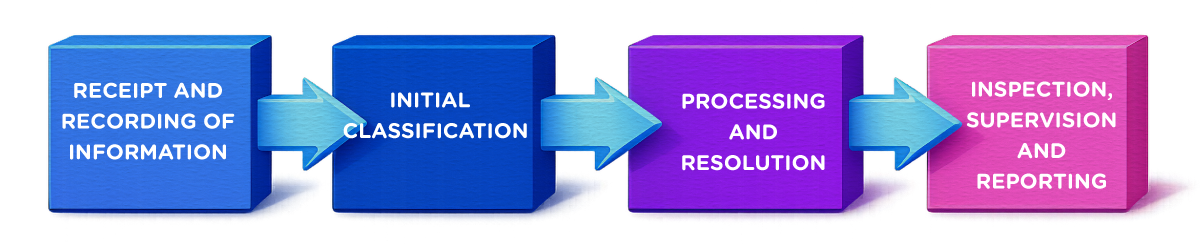
In 2025, PVFCCo continued to maintain and uniformly implement prevailing regulations on the receipt, processing, and management of complaints, denunciations, and misconduct reporting. Accordingly, the Regulation on Inspection and Resolution of Complaints and Denunciations remained applied systematically across the entire Corporation to ensure that all feedback was reviewed and processed promptly, within the proper authority, and with full transparency. The execution of this process contributes to maintaining operational stability while consolidating stakeholder trust in PVFCCo and its subsidiaries. In practice, the receipt and processing workflow is carried out through a 4-step procedure, consistent with previous years.
Sustainable Development Governance and Economic Contribution (GRI 201-1, 203-2)
In 2025, the business environment remained marked by significant domestic and global uncertainties, requiring companies to continuously enhance their governance and management capabilities to sustain stable growth and long-term value creation. In response, PVFCCo’s Party Committee and Board of Management strengthened strategic oversight, adopted agile business management practices, and reinforced the Company’s financial foundation to enhance resilience, adaptability, and long-term sustainable growth.
PVFCCo recognizes that it is highly challenging for an enterprise to pursue sustainable development goals if its partners within the value chain do not develop commensurately, lack compliance capacity, or fail to ensure supply stability. Any legal, environmental, or social risk arising from suppliers can directly impact the Corporation’s business and production operations, credibility, and reputation. Therefore, procurement and supply chain management are deployed uniformly across the entire system under the Board of Management’s supervision to control long-term supply chain risks, impacts, and opportunities.
The Corporation has deployed key solutions to promote digital transformation and innovation by developing the Science, Technology, and Innovation Strategy, ensuring synchronization with the Corporation’s Development Strategy to 2030, with a vision to 2050. According to this draft strategy, annually, PVFCCo expects to allocate an investment resource of at least 2% of consolidated revenue or at least 10% of consolidated profit for science, technology, and innovation development programs and plans, with a detailed implementation roadmap covering key areas. The effective execution of the strategy is expected to contribute to improving labor productivity through technological innovation, production streamlining, intellectual property optimization, and product commercialization from creative ideas, thereby driving revenue growth and enhancing long-term investment efficiency.
The Corporation has issued a detailed implementation plan for Science, Technology & Innovation to execute Resolution No. 951-NQ/DU dated January 3, 2025 of the Group’s Party Committee & Plan No. 1175-KH/DU of the Corporation’s Party Committee. Under this plan, the Corporation identifies science, technology, and innovation as a new growth driver, contributing to improving labor productivity, competitiveness, and governance efficiency, aiming for double-digit sustainable revenue and profit growth by 2030. The plan sets a target that by the end of 2025, science, technology, and innovation capacity will reach Level 3 – Experimental; for the 2026–2030 period, it will be raised to Level 5 – Effective, where innovation becomes a part of the corporate culture and innovation programs bring clear efficiency. To realize this goal, the Corporation strives to annually invest at least 2% of consolidated revenue or at least 10% of consolidated profit for science, technology, and innovation development.
Digital transformation activities at the Corporation are executed based on general principles to ensure consistency, efficiency, and alignment with the Corporation’s development strategy. The implementation principles for digital transformation activities are mandated in PVFCCo’s Regulation on the Management of Digital Transformation and Information Technology Activities issued on November 25, 2025, specifically as follows:
Execute in alignment with the Corporation’s business strategy and objectives, ensuring production and business efficiency while maintaining a customer-centric focus and upholding core values;
Ensure compliance with relevant legal regulations and the Corporation’s internal mandates;
Ensure a comprehensive and effective approach aligned with the Corporation’s overall governance capabilities, available resources, and business development needs.
Ensure confidentiality and security in accordance with PVFCCo’s Regulation on IT Management and Information Security;
Ensure fairness, transparency, accountability, and privacy protection;
Ensure flexibility, change-responsiveness, and effective risk management;
Ensure personnel training, mindset shifting, and cultivating a workforce readiness to embrace new technologies across the entire Corporation;
Maintain a data-centric approach, treating data as a strategic asset where governance and operational decisions must be grounded on reliable and timely data;
Maintain flexibility in digital transformation thinking, encouraging experimentation, continuous improvement, and adopting agile methodologies (Agile/Scrum) when necessary and appropriate;
Aim toward generating concrete and measurable value across all digital transformation activities.
Operational Activities Implemented During the Year
Digital Transformation
Based on the report submitted by the Executive Board to the Board of Directors, digital transformation and innovation efforts at the Corporation have achieved several noteworthy results, prominently highlighted below:
Formulated and issued the Digital Transformation Strategy for the 2023–2025 period, with an orientation toward 2030, aiming to achieve a digital maturity level of 3.0 by 2025, serving as the foundation to direct and deploy synchronized digital transformation programs across the Corporation.
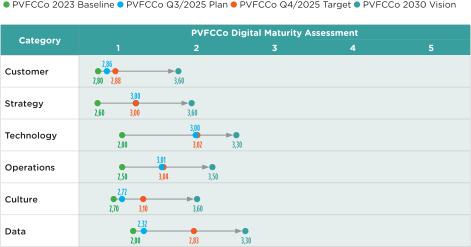
Accomplished the objective of reaching digital maturity level 3.0 by 2025. According to the “2025 Digital Business Performance Index (DBI) Assessment Report” conducted by FPT Digital and presented by the Executive Board to the Board of Directors and the Digital Transformation & Innovation Steering Committee, the Corporation’s overarching digital maturity level reached 3.00 by the end of Quarter IV/2025. The 2025 DBI Report indicates that the unit’s digital transformation deployment is comprehensively demonstrated across six categories: Customer, Strategy, Technology, Operations, Culture, and Data as follows:
Finalized and issued the Regulation on the Management of Digital Transformation and Information Technology Activities, creating a regulatory corridor and a unified management mechanism for deploying digital transformation initiatives across the Corporation; regulations and compliance workflows under this Regulation have been drafted and are currently in the approval phase prior to official issuance.
Updated the Corporation’s Digital Transformation Roadmap up to 2030, based on the current-state assessment and roadmap adjustments conducted by FPT Digital; the updated report has been finalized and approved, serving as the orientation framework for the synchronized deployment of digital transformation initiatives in the upcoming period.
Deployed synchronized digital transformation and innovation initiatives, with a core focus on rolling out systems such as ERP (Oracle EBS), HPM, DMS, TMS, E-learning, Digital Office (VPS), and the Data Lakehouse platform; concurrently accelerated the active implementation of iHRP, the digitization of internal workflows, the progressive application of Artificial Intelligence (AI), and the cultivation of a digital culture across the Corporation.
The continuous investment in constructing and deeply integrating information technology platforms into operational, production, and business workflows clearly reflects PVFCCo’s comprehensive and synchronized digital transformation roadmap. This concurrently reaffirms its innovative capacity, readiness to adapt, and ability to effectively fulfill the evolving requirements of human resources in the digital era:
Activity Group
Objectives
IT Platforms & Systems
Production
Enhance operational efficiency, ensure safety, and optimize capacity
Oracle ERP (Enterprise Resource Planning): An overarching enterprise management software system that supports the synchronized management of sectors such as finance, human resources, materials, production, and related business processes.
DCS (Distributed Control System): Enables centralized monitoring and control of complex production processes in the plant in real time.
MMS (Maintenance Management System): Supports planning, tracking, and organizing equipment maintenance, contributing to elevating asset reliability and lifespan.
ESD (Emergency Shutdown System): Automatically activates necessary safety measures to protect personnel, equipment, and the environment during severe incidents.
PLC (Programmable Logic Controller): Controls automation equipment within the plant’s operational workflows.
CMMS (Computerized Maintenance Management System): Manages equipment maintenance more efficiently through archiving repair histories, managing spare parts, tracking performance, and automating maintenance workflows.
PMIS (Plant Monitoring Information System): Developed internally by the plant’s engineering team to monitor operational indicators remotely in real time. It delivers incident alerts directly to smartphones or internet-connected computers, supporting management in making swift, precise decisions.
Business & Back-Office
Increase the digitalization rate of business operations and internal governance; reduce manual tasks to drive workplace efficiency
DMS (Distribution Management System): Controls the goods distribution process to dealerships and branches efficiently.
ERP (Enterprise Resource Planning): Integrates core processes including finance, accounting, materials, production, and human resources into a unified system.
RFID (Radio Frequency): Automates tracking and management of goods and assets in warehouses and transit.
Zoom, Microsoft Teams support the execution of online meetings, discussions, and remote collaboration.
The e-Learning system supports flexible internal training with diverse content spanning professional expertise, digital transformation, and information security tailored to individual employee groups.
Stakeholder Engagement
Foster a comprehensive digital ecosystem and enhance engagement efficiency with stakeholders
Customers: The LOGETY system, dedicated to customer and dealership management and care, aims to elevate experience and service quality.
Suppliers: An online bidding and procurement portal connected to the National Bidding Portal to enhance transparency and efficiency in bidding invitations, evaluations, and vendor selection workflows.
Farmers: Artificial Intelligence (AI) applications that provide technical support and resolve inquiries in agricultural production.
Employees: The My.PVFCCo application, strengthening interaction between the Corporation and its personnel.
The Information Security Policy has been codified and integrated into the Regulation on the Management of Digital Transformation and Information Technology Activities, officially issued and applied from November 25, 2025, serving as the foundation to ensure information safety and confidentiality throughout the Corporation’s digital transformation process.
In 2025, PVFCCo continued to emphasize driving innovation through technical improvement initiatives, production rationalization, and the execution of planned scientific research tasks, thereby contributing to enhancing operational efficiency, production safety, and new product development capacities.
Recognized
0
technical improvement initiatives in 2025
0
ideas proposed corporate-wide
00
research projects conducted
Accelerated technical improvement and production rationalization initiatives under the close supervision and guidance of the Corporation’s Management, contributing to elevating efficiency and safety in business and production operations.
Recognized 43 technical improvement initiatives in 2025, including 35 initiatives at the Phu My Fertilizer Plant and 8 initiatives across the Corporate Back-Office, generating an estimated quantifiable financial benefit of over VND 100 billion.
Recorded 130 production rationalization initiatives that were approved but carried unquantifiable financial benefits, focusing primarily on workflow improvements, performance optimization, and operational safety assurance.
Cultivated a rich pipeline of innovative ideas, with a total of 462 ideas proposed corporate-wide (372 ideas at the Plant and 90 ideas across the Corporate Back-Office), serving as the baseline to further develop into formal initiatives and improvement solutions in the subsequent phase.
Executed scientific research activities in accordance with the 2025 Science & Technology Plan, with 08 research projects conducted, including those assigned to the Safety - Health - Environment (SHE) Department, the Plant, and the Research & Application Center.
Participated in research tasks within the Group’s portfolio of strategic technologies and strategic technology products up to 2030, notably the high-grade Alumina task utilizing chemicals produced based on the Urea Plant technology, contributing to promoting research, new product development, and enhancing the Corporation’s innovation capacity.
Strategic Orientation and Management for Digital Transformation
and Innovation
In the upcoming period, the Corporation will continue to drive digital transformation in accordance with the approved roadmap, focusing on evaluating, updating, and perfecting ongoing initiatives to ensure the progress and efficiency of digital transformation projects in 2026 and subsequent phases. Concurrently, the Corporation emphasizes strengthening coordination between the Digital Transformation & Information Technology Department and relevant Departments/Units to unify data sources, reporting indicator systems, and operational plans. This will facilitate the efficient utilization and exploitation of deployed systems, thereby elevating labor productivity and work quality across the entire Corporation.
During the 2026–2030 period, PVFCCo aims to systematically deploy key sustainable development project groups and initiatives, tightly aligning its business strategy with environmental, social, and governance (ESG) objectives. These initiatives are designed to enhance governance capacity, mitigate environmental impacts, drive innovation, and generate long-term sustainable value for the enterprise and its stakeholders:
Elevate ESG governance capacity coupled with innovation by formulating and executing the Sustainable Development Strategy; integrating ESG into risk management, value chain management, data governance, and the KPI system; and progressively implementing greenhouse gas emission reduction strategies, participating in the carbon credit market, and enhancing transparency, business ethics, and whistleblowing mechanisms.
Accelerate the implementation of actionable and high-impact ESG initiatives, focusing on developing environmentally friendly projects (such as Biomass boilers, recycling, and sustainable packaging), sustainable supply chain management, biodiversity protection, upgrading cybersecurity and information security, promoting community and social security programs, ESG communications, and publishing the independent Annual Sustainability Report.
Risk Management
Management Commitments and Long-term Orientation (GRI 2-22, 2-23)
With the philosophy of “Sustainable, Efficient, and Humanistic Development” and the orientation to adopt advanced governance practices, PVFCCo’s Management commits to continuously improving and effectively operating the Enterprise Risk Management (ERM) system strategically. This system is tightly integrated with corporate governance and long-term development objectives, thereby enhancing governance capacity, safeguarding corporate value, and maintaining PVFCCo’s leading position and brand reputation in the fertilizer and chemical sectors.
Risk Governance Organizational Structure at PVFCCo (GRI 2-13, 201-2)
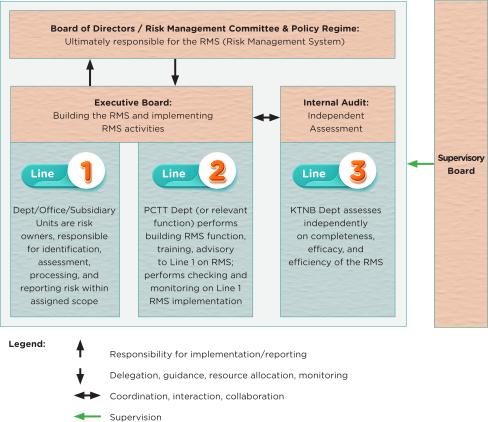
PVFCCo adopts the Three Lines of Defense model to support the Board of Directors and the General Director in supervising and operating enterprise risk management activities. This model ensures a clear delineation of roles and responsibilities among management lines, thereby strengthening the effectiveness of risk oversight and control across the entire Corporation.
Enterprise risk management must be aligned with strategic objectives and executed across all operational sectors of the Corporation to achieve the goals of capital preservation and development, sustainable development, legal compliance, and the enhancement of product quality and operational efficiency.
Enterprise risk management must be comprehensively structured to manage risks at all levels of the Corporation, supporting leadership in decision-making.
The Risk Management Process Integrated into Operations is established to embed risk identification, assessment, and control into the Corporation’s key operational and decision-making workflows. Through deploying risk management seamlessly, systematically, and in alignment with its operational characteristics, the Corporation aims to proactively mitigate material risks, capitalize on opportunities, and safeguard assets, operational efficiency, and the capacity to achieve strategic goals and sustainable development. This process encompasses specific steps executed periodically and continuously improved, establishing the baseline for timely and transparent risk monitoring and reporting, while effectively supporting governance across all levels.
To enhance risk management efficiency and ensure long-term sustainable development, the Corporation has developed and implemented the Periodic Risk Assessment and Reporting Procedure as a critical component of its corporate governance system. This procedure is designed with a systematic approach, enabling the timely identification, assessment, and monitoring of material risks that may affect production, business, financial, environmental, social, and governance (ESG) activities. Through the comprehensive implementation of all steps within this procedure, the Corporation strengthens transparency and proactivity in risk prevention and response. Concurrently, it provides essential information to relevant stakeholders, contributing to the assurance of stable, efficient, and sustainable operations.
1
Risk Assessment
2
Risk Assessment Reporting
3
Enterprise-wide Risk Management Reporting
4
Risk Management Reporting following PVN Requirements
Risk Profile in 2025
The Corporation’s Risk Profile is developed based on root cause analysis, efficiency evaluation of existing control measures, and proposals for appropriate risk response strategies and actions. It also clearly designates the units accountable for execution and the implementation deadlines, ensuring feasibility and efficiency in risk management.
Against a backdrop of an economic environment with inherent uncertainties, coupled with escalating geopolitical, environmental, and social challenges, PVFCCo defines the effective management of sustainable development risks as an essential requirement throughout its entire business operations and executive management. The Corporation’s Board of Management recognizes that ESG risks, if not controlled promptly, can generate material impacts on business and production operations, competitiveness, corporate reputation, as well as the capacity to maintain stable, long-term growth.
PVFCCo applies a corporate governance model in accordance with the provisions of the 2020 Law on Enterprises, comprising the General Meeting of Shareholders, the Board of Directors, the Supervisory Board, and the Executive Board. The corporate governance system is organized and operated in compliance with the requirements of Decree No. 155/2021/ND-CP, ensuring transparency, accountability, and effectiveness in the management and oversight of business operations. In 2025, PVFCCo achieved a sustainability performance score of 70% under the Vietnam Sustainability Index (VNSI), representing a significant improvement from 52% in 2024. This result reflects the effectiveness of the Corporation’s efforts to strengthen corporate governance practices, enhance disclosure transparency, and integrate ESG considerations into its governance framework. In addition, amid increasing expectations from investors, the market, and regulators regarding sustainable corporate governance, PVFCCo continued to review, update, and enhance its governance framework in alignment with good practices and the OECD Principles of Corporate Governance. Through these efforts, the Corporation aims to further strengthen its governance capabilities, improve risk management, and support long-term sustainable development.
Organizational Structure Diagram
The Board of Directors, the Supervisory Board, and the Executive Board possess the required competencies and professional integrity, operating independently without any conflicts of interest between personal benefits and the Corporation’s interests. These governing bodies have effectively executed their designated roles and functions, making significant contributions to the fulfillment of the annual production and business plans.
The Board of Directors (BOD) consists of five (05) members, including one (01) Independent BOD Member. In 2025, the BOD maintained the operations of three (03) specialized sub-committees covering the fields of: Planning & Business; Science, Technology & Investment Development; and Risk Management & Policy. These sub-committees operate under specific assignments to support the BOD in reviewing and evaluating matters within its authority. Concurrently, they perform oversight, guidance, and supervisory functions over the Executive Board in implementing the BOD’s resolutions and decisions within their respective designated areas.
At PVFCCo, there are 03 Committees under the Board of Directors (BOD) whose functions and duties are specifically prescribed in internal regulations, in compliance with current legal regulations:
Planning and Business Committee
Chairperson: Vo Thi Thanh Ngoc
Number of members: 5
Functions and duties
Advisory to the BOD in the following areas:
Formulation, monitoring, and performance evaluation of the Corporation’s Strategy and operational plans.
Supervision and direction in the business of the Corporation’s products in alignment with the Strategy, plans, and market conditions.
Science, Technology and Development Investment Committee
Chairperson: Ho Quyet Thang
Number of members: 5
Functions and duties
Advisory to the BOD in the following areas:
Investment, research & development (R&D), application of science and technology, and digital transformation.
Sustainable development, environmental and social matters, and other related issues.
Risk Management and Policy Committee
Chairperson: Nguyen Ngoc Anh
Number of members: 5
Functions and duties
Advisory to the BOD in the following areas:
Internal control activities and systems, and corporate risk management of the Corporation.
Policies and matters related to the organization, personnel, and training of the Corporation.
Corporate governance.
Roles and Responsibilities of the Management Level (GRI 2-12, 2-13, 2-14)
The Board of Directors, the Supervisory Board, and the Board of Management possess adequate competence and professional qualifications, operating independently with no conflict of interest between personal interests and the Corporation’s interests. These bodies have effectively performed their assigned roles and functions, making significant contributions to the completion of the annual business and production plans.
Department/ Level
Roles and Responsibilities
Board of Directors (BOD) Level
Independent BOD Member in charge of:
Holding the highest responsibility for issues related to sustainable development (SD) at PVFCCo
Advising the BOD on formulating short, medium, and long-term strategies and goals, and approving action plans related to SD
Monitoring the implementation results of SD strategic goals
Evaluating deployment progress and approving improvement proposals
Providing expert advisory opinions to resolve bottlenecks related to the execution of SD strategic orientations at PVFCCo
Other Board Members in charge of:
Deciding and exercising rights and obligations within their authority
Deciding on strategic governance matters, except for contents under the authority of the General Meeting of Shareholders
Monitoring the Corporation’s operations to protect shareholders’ rights and maximize corporate value
Board of Management (BOM) Level
General Director in charge of:
Holding the highest responsibility for implementing ESG activities at PVFCCo
Formulating and promulgating the policy system related to SD
Reviewing action plans in alignment with SD strategic goals and orientations for each period and submitting them to the BOD for approval
Directing the execution of ESG action plans approved by the BOD
Directing the establishment of management systems, resource allocation, and periodic progress reporting on the implementation of sustainable development goals
Deputy General Director in charge of Internal Affairs:
Being responsible for integrating ESG programs and initiatives into internal affairs, Health-Safety-Environment (HSE), and legal compliance
Coordinating tasks and goals allocated by the General Director to departments; periodically controlling and urging execution progress
Receiving and reviewing ESG-related reports consolidated by departments and sections, and submitting them to the General Director
Technical and Safety Department
Acting as the focal point to consolidate information from functional departments and units to prepare summary reports on SD activities at PVFCCo and submitting them to the Board of Management for approval
Acting as the focal point to organize internal communication activities to ensure all units across the Corporation clearly understand the approved ESG goals and action plans
Acting as the focal point to develop and implement general SD training programs and specific topics aligned with global and national trends in each specific period
Acting as the focal point to manage the collection of information and data for preparing periodic SD reports in compliance with current international standards and practices
Functional Departments / Board / Units
Maintaining a minimum structure of 1 focal officer in charge of ESG-related contents at the functional department/board/unit
Integrating SD plans and action programs into regular business and production processes to achieve the set goals
Frequently inspecting, monitoring, and evaluating the efficiency of plan implementation
Preparing and presenting summary reports on sustainable development activities, ensuring that information and data are reflected in a timely and accurate manner
Analyzing and proposing improvement initiatives
Performance Evaluation of the BOD (GRI 2-18)
The Supervisory Board implements an oversight mechanism regarding the activities of the Board of Directors by monitoring and evaluating the execution of contents approved by the General Meeting of Shareholders; overseeing the assignment of duties and responsibilities of each BOD Member according to their designated areas; and inspecting compliance in the issuance and implementation of the BOD’s resolutions and decisions. This supervisory work is conducted by attending and monitoring periodic and extraordinary BOD meetings, working directly with the Executive Board, and reviewing related reports. This ensures that the Board of Directors operates within its authorized mandates, maintaining transparency, accountability, and alignment with the Corporation’s development objectives and plans.
According to the evaluation by the Supervisory Board, in 2025, the Board of Directors fully executed its functions and duties as prescribed. All decisions were issued within the correct scope of authority, ensuring legal compliance and appropriateness to the Corporation’s operation, typically as follow3:
Fully implementing all contents approved by the General Meeting of Shareholders, ensuring that the Corporation’s production and business operations are conducted on a regular, continuous, and stable basis.
Organizing 07 Board of Directors (BOD) meetings and collecting written opinions from Board Members 144 times in 2025.
Issuing 101 important Resolutions/Decisions along with numerous executive and directive documents to serve corporate governance and supervision.
3Refer to PVFCCo’s 2025 Annual Report for details on the BOD’s activities
On the foundation of the issued decisions and governance programs, PVFCCo focused on deploying key corporate governance tasks to enhance supervisory and executive efficiency.
Task
Progress as of December 31, 2025
Focus on effective cash flow management and capital balancing to ensure safety and capital efficiency; meet capital requirements for production, business, and investment activities; and strive to increase revenue and efficiency from financial activities.
In 2025, PVFCCo successfully achieved its financial targets. Total consolidated revenue reached VND 17,075 billion, exceeding the plan by 33% and increasing by 23% compared to 2024. Consolidated post-tax profit reached VND 1,095 billion, achieving 342% of the plan and nearly doubling the previous year’s figure.
Regarding cash flow management and capital balancing, as of the end of 2025, PVFCCo possessed over VND 14,500 billion in short-term assets, of which cash and deposits accounted for over VND 9,000 billion, ensuring excellent liquidity and fully meeting capital demands for production, business, and investment. In 2025, PVFCCo issued nearly 288.6 million bonus shares, increasing its charter capital from VND 3,914 billion to nearly VND 6,800 billion, thereby strengthening its financial capacity for future mega-projects. Financial performance continued to improve, with financial revenue in Q4/2025 jumping by 85% to nearly VND 240 billion, while financial expenses were kept at only VND 52 billion, thanks to the strategy of optimizing idle cash flows through term deposits with favorable interest rates. On the back of these outstanding results, PVFCCo raised its 2025 dividend payout rate to 15%–higher than the original plan of 12%–with a total estimated value of approximately VND 1,019.8 billion, demonstrating its commitment to sharing practical benefits with shareholders.
Build a modern corporate financial management system, readily prepared for the application of principles in accordance with international standards and practices.
In 2025, PVFCCo made significant strides in building a modern financial management system that aligns closely with international practices. Most notably, the upgraded ERP system–including modules for Financial Accounting (FIN), Production and Cost Management (OPM & GMF), and Supply Chain Management (SCM)–was officially and synchronously put into operation across the entire Corporation starting January 1, 2025. This has created a standardized, transparent financial database capable of retrieval in accordance with international standard requirements. Governance was further strengthened by perfecting the risk management system and accelerating digital transformation, reaching a maturity level of 3.0. The 2025 financial statements continued to be audited by Deloitte Vietnam Co., Ltd.–one of the world’s leading Big Four audit firms, reaffirming PVFCCo’s commitment to transparency and compliance with financial principles under international practices. In parallel, PVFCCo formulated its Sustainable Development Strategic Orientation for the 2026–2030 period, with a vision to 2050, laying the foundation for a roadmap toward increasingly modern financial management and deeper integration with international standards in the upcoming phase.
Consolidate and develop a strong human resource base; build a lean, high-quality, and professional human resource management system across the entire Corporation.
PVFCCo continued to synchronously deploy human resource training and capacity development programs, both internally and externally, domestically and internationally. These efforts aimed to enhance the professional qualifications, skills, and competitiveness of employees, contributing to the goal of sustainable human resource development. In parallel, the Corporation is upgrading its modern human resource management software system. This project focuses on optimizing user experience, enhancing HR data retrieval capabilities, and supporting decision-making based on transparent, accurate information–in alignment with data governance requirements under international practices. Additionally, PVFCCo continued to implement the Organizational Restructuring Project in line with Petrovietnam’s strategic orientation and the Corporation’s practical needs. This initiative aims to build a lean and efficient apparatus that meets modern corporate governance requirements and Good Governance criteria within the ESG framework.
Digitize operational processes to save working time, resolve issues, and enhance work efficiency.
Based on the “Report on Current Status Review, Target Gap Analysis, and Digital Transformation Roadmap Update to 2025” signed and issued on December 23, 2025:
Regarding digitalization rate: As of December 2025, the process digitalization rate officially reached 72%
Regarding system deployment: Systems that automate workflows and reduce manual tasks and paperwork have been put into stable operation, including: ERP, Digital Office (eOffice), Comprehensive Human Resource Management (HRM), Electronic Procurement (eProcurement), and the 45K1 and ODE software
Regarding work efficiency enhancement: Training was completed, and 05 AI Assistants (AI Agents) were introduced to support daily tasks (information retrieval, synthesis, meeting minutes generation, etc.), helping employees save significant task processing time
Review and improve the Corporation’s internal document governance system; perfect the delegation/decentralization matrix, and the functions, duties, and authority matrix according to the organizational chart and operational chains of the entire Corporation.
In 2025, PVFCCo continued to systematically review and perfect its internal document governance system, aiming for a lean, transparent, and efficient governance apparatus. The Corporation accelerated the review and refinement of its internal management and risk management regulation systems. Concurrently, it executed the comprehensive restructuring roadmap for the 2021–2025 period, updating and adjusting the functions and duties of boards and units within the organizational structure. By the end of 2025, PVFCCo had perfected its risk management system and continued to update and complete the delegation/decentralization matrix as well as the functions and duties matrix in accordance with governance requirements.
Perform well in inspection, supervision, and risk management to ensure the enterprise develops in the right direction and achieves sustainable development; maximize the early warning system for potential risks in production and business activities.
Inspection, supervision, and risk management activities were deployed synchronously and achieved progress in accordance with the plan. The risk warning system has been step-by-step perfected and put into operation, supporting the early identification of risks in production and business activities, thereby contributing to ensuring development in the right direction and sustainable development.
Legal Compliance and Human Rights
(GRI 2-27)
PVFCCo identifies legal compliance and respect for human rights as foundational principles in transparent governance and responsible business. The Corporation commits to fully complying with Vietnamese laws while aligning with and adopting international standards and conventions regarding human rights and labor rights.
These commitments are institutionalized through the development and enforcement of appropriate internal policies, implemented synchronously throughout the entire value chain, including subsidiary units, partners, and suppliers. PVFCCo does not tolerate any forms of discrimination, forced labor, or infringement on employee rights, while guaranteeing a fair, safe, respectful, and transparent working environment.
The Corporation conducts regular compliance reviews and evaluations, updates internal regulations, and organizes training sessions to raise awareness of law and human rights, thereby reinforcing a culture of compliance and accountability.
Through these commitments, PVFCCo aims to build a sustainable governance foundation that harmonizes the interests of the enterprise, its employees, and relevant stakeholders, contributing to sustainable socio-economic development.
Fair Competition
(GRI 2-23, 2-24, 206-1)
PVFCCo identifies fair competition as a core principle in governance and business, aiming for a transparent, equitable environment and sustainable growth. The Corporation commits to strict compliance with legal regulations on competition, including the prevention of unfair competition, abuse of dominant position, commercial fraud, and anti-competitive agreements
These commitments are implemented through a system of internal policies and processes, promoting integrity, honesty, and business ethics in all activities. PVFCCo builds a competitive culture based on substantive capacity, innovation, and product quality, while cooperating with partners on the principles of equality, transparency, and mutual benefit.
On that foundation, the Corporation aligns economic growth targets with environmental and social responsibilities, enhancing adaptability and creating long-term competitive advantages. Thereby, PVFCCo reaffirms its image as a transparent, ethical, and sustainably developing enterprise.
Transparent Information Disclosure
(GRI 2-23, 2-24)
Information Disclosure Obligations
The Corporation commits to fully executing its information disclosure obligations in accordance with legal regulations and its Charter of Organization and Operation, viewing this as a material element of transparent governance and accountability. Accordingly, the Corporation ensures full, accurate, and timely disclosure of periodic, extraordinary, and on-demand information regarding its business and production operations, financial position, and corporate governance practices to shareholders and the investing public. Furthermore, other information that may impact securities values or the decisions of shareholders and investors is proactively disclosed by the Corporation in strict compliance with regulations.
Information disclosure activities are conducted through appropriate channels, ensuring that shareholders and the investing public can access information in a timely, complete, and equitable manner. Strict compliance with information disclosure obligations contributes to protecting the legitimate rights and interests of relevant stakeholders, while reaffirming the Corporation’s commitment to maintaining a transparent, healthy, and sustainable business environment.
Documents routinely disclosed by PVFCCo reflect a comprehensive view of the Corporation’s operations, including:
Profiles and materials serving the General Meeting of Shareholders
Charter on the Organization and Operation of the Corporation
Corporate Governance and Management Report
Information relating to transactions and related-party interests
Other reports and announcements as required by legal regulations
Responsibility for Information Disclosure
PVFCCo defines the reporting and information disclosure responsibilities of the BOD, the Executive Board, and insiders as a core component of transparent governance and integrity. These subjects must fully execute their disclosure obligations regarding related-party transactions in accordance with statutory regulations to manage conflicts of interest and protect shareholders.
The Corporation mandates the disclosure of information for transactions between PVFCCo and enterprises related to BOD members, the Executive Board, major shareholders, or related persons, as well as transactions capable of bringing benefits to these individuals. Disclosures are executed based on the principles of completeness, accuracy, and timeliness, ensuring transparency and fairness in information access while elevating accountability to shareholders and the market.
Anti-Corruption and Anti-Bribery
(GRI 205)
The Corporation implements anti-corruption work in a rigorous, consistent, and systematic manner, strictly adhering to the directives and orientations of the Corporation’s Party Committee and the guidelines and regulations of the parent Group (Petrovietnam). This work is integrated into corporate governance frameworks to strengthen discipline, integrity, and transparency, thereby preventing risks and consolidating stakeholder trust, including:
Implementing anti-corruption programs and plans synchronously, ensuring strict compliance with the orientations and directives of the Corporation’s Party Committee and the regulations and guidelines of the parent Group.
Strengthening the steering and management roles of leadership in anti-corruption efforts, linking the responsibilities of heads of units with the implementation results at affiliated units.
Conducting inspections and audits to ensure comprehensive coverage across all business, production, and governance activities, promptly detecting risk signals or non-compliance.
Establishing and maintaining an effective internal control mechanism, combining routine controls with specialized audits to enhance deterrence and prevention.
Handling violations strictly and promptly upon detection in compliance with legal regulations and internal policies, ensuring no “prohibited zones” or exceptions.
Contributing to building a corporate culture of integrity, while raising the awareness and responsibility of officers and employees in complying with ethical standards and anti-corruption regulations.
In 2025, PVFCCo did not organize or participate in specialized anti-corruption training programs designated for senior executives. This is an area that PVFCCo has acknowledged and will incorporate into the Corporation’s upcoming training and governance capacity development roadmap.
Conflicts of Interest (GRI 2-15)
Duties of Honesty and Conflicts of Interest Avoidance for Board Members, the General Director, and Other Executives
The Corporation requires Board Members, the General Director, and executives to fully disclose relevant interests, adhere to the principle of honesty, avoid conflicts of interest, and refrain from utilizing business opportunities, insider information, or official positions for personal gains or for third parties, in accordance with the following principles:
Board Members, the General Director, and other executives must disclose their related interests in compliance with the Law on Enterprises and relevant legal regulations.
Board Members, the General Director, other executives, and their Related Persons are prohibited from exploiting business opportunities that could benefit the Corporation for personal purposes; they must not use information obtained through their positions for personal enrichment or to serve the interests of other organizations or individuals.
Board Members, the General Director, and other executives are obligated to notify the Board of Directors of transactions between the Corporation, its subsidiaries, or companies controlled by the Corporation and themselves or their Related Persons in accordance with legal regulations. The Corporation must disclose information regarding the General Meeting of Shareholders (GMS) Resolutions or Board Resolutions approving the aforementioned transactions within twenty-four (24) hours on the Corporation’s website and report to the State Securities Commission and the Ho Chi Minh City Stock Exchange.
The Corporation is prohibited from granting loans or guarantees to shareholders, Board Members, the General Director, other executives, and their Related Persons, unless otherwise provided by law.
A Board Member shall not vote on transactions in which that Member or their Related Persons are a party, including transactions involving the material or non-material interests of that Board Member. The aforementioned transactions must be disclosed in the Corporation’s Annual Report.
Board Members, the General Director, other executives, and their Related Persons must not use the Corporation’s undisclosed information or disclose it to others to execute related transactions.
Transactions with Related Persons
The Corporation respects and protects the legal rights and interests of stakeholders such as banks, creditors, employees, customers, suppliers, and the community; proactively provides information, encourages dialogue, and emphasizes social responsibility, welfare, and environmental protection. Principles for engaging in transactions with related persons include:
Any transaction with a Related Person must be approved prior to execution. The approval authority for transactions with Related Persons shall comply with legal regulations. Specifically, loan and guarantee transactions with Related Persons must strictly comply with Article 293 of Decree No. 155/2020/ND-CP.
When conducting transactions with Related Persons, the Corporation must execute written contracts based on the principles of equality and mutual consent. The contract content must be clear, specific, and compliant with legal regulations.
The Corporation applies necessary measures to prevent Related Persons from interfering with the Corporation’s operations and harming its interests through controlling the Corporation’s procurement or sales channels, or through price manipulation.
The Corporation applies necessary measures to prevent shareholders and their Related Persons from executing transactions that cause loss or leakage of capital, assets, or other resources of the Corporation. The Corporation is prohibited from granting loans or guarantees to shareholders and their Related Persons.
Tax Management (GRI 207) (SASB: EM-RM-520a.2)
The Corporation conducts tax management based on strict compliance with legal regulations, ensuring transparency, completeness, and accountability throughout the entire process of tax declaration, reporting, and fulfillment of obligations to the state budget. Tax management is considered an integral part of the financial governance and risk management systems, contributing to stabilizing business and production operations and driving sustainable development, including:
Fully, accurately, and punctually fulfilling tax obligations in compliance with legal regulations, encompassing all types of taxes, fees, and charges arising from business and production operations.
Organizing and deploying synchronized tax declaration, reporting, and payment processes across the entire system, ensuring consistency, transparency, and compliance in financial management.
Maintaining internal control and review mechanisms to mitigate errors, prevent tax risks, and ensure the accuracy of disclosed information in declarations and reports.
Regularly monitoring and updating changes in tax policies and legislations to promptly adjust operational workflows, internal guidelines, and related documentation systems.
Enhancing the capacity of the personnel in charge of tax affairs through training, upskilling professional knowledge, and strengthening dialogue with tax regulatory authorities when necessary.
ulfilling tax obligations responsibly, thereby securing revenues for the state budget and contributing to socio-economic development under sustainable development orientations.
In 2025, the Corporation’s tax management was executed earnestly, comprehensively, and in strict compliance with legal regulations. The Corporation remitted a total of VND 553 billion in taxes to the State Budget in 2025, a significant increase compared to VND 258 billion in 2024, reflecting business and production efficiency coupled with clear and transparent financial responsibility. This result demonstrates that the Corporation not only focuses on optimizing business efficiency but also proactively fulfills tax obligations punctually and in accordance with regulations, thereby consolidating its reputation, elevating corporate governance standards, and demonstrating its commitment of responsibility toward the State and society within its sustainable development orientation.
Regulations on Remuneration and Allowances for BOD Members
(GRI 2-19, 2-20, 2-21)
The determination and payment of remuneration for BOD members are clearly prescribed in the Charter, Internal Corporate Governance Regulations, and are implemented in accordance with the principles of the Vietnam Corporate Governance Code (VN CG Code) for best practices–which PVFCCo has committed to adopting as follows:
PVFCCo pays salaries, remuneration, allowances, and bonuses to BOD members based on business performance and efficiency
Non-executive members receive remuneration, while executive members receive salaries/allowances; the total budget is approved by the GMS, and the allocation is decided by the BOD
The BOD is entitled to bonuses based on business results, from a bonus fund approved by the GMS
Remuneration, salaries, and bonuses are accounted for as business expenses, disclosed separately in the financial statements, and reported to the GMS
BOD members concurrently holding executive positions are entitled to salaries corresponding to their executive titles; they may receive additional remuneration for tasks falling outside their conventional scope of duties, subject to the BOD’s decision
From the 2026–2030 period, the executive remuneration policy will be adjusted toward integrating ESG-related Key Performance Indicators (KPIs) into the performance appraisal system as a baseline for determining salary and bonus levels. This initiative aims to enhance the ESG governance capacity of the management team while orienting accountability and commitment toward the Corporation’s sustainable development goals.
The income of the Executive Board, the Chief Accountant, and the remuneration of the Board of Directors and the Supervisory Board paid in 2025, compared with the 2024 figures, are detailed as follows:
2025 (VND)
2024 (VND)
Board of Directors
Mr. Nguyen Xuan Hoa
3,812,481,000
1,034,655,238
Mr. Phan Cong Thanh
3,109,995,500
1,319,774,609
Mr. Nguyen Ngoc Anh
2,337,881,000
881,947,000
Mr. Ho Quyet Thang
2,358,464,888
1,420,709,988
Mrs. Vo Thi Thanh Ngoc
1,263,458,909
–
Mr. Trinh Van Khiem
1,194,749,091
1,811,569,993
Mr. Hoang Trong Dung
–
683,413,306
Mr. Duong Tri Hoi
–
998,276,101
Mr. Le Cu Tan
–
654,488,819
Mr. Louis T.Nguyen
–
77,297,292
Executive Board
Mr. Phan Cong Thanh
(*)
(*)
Mr. Dao Van Ngoc
2,410,567,809
1,778,579,032
Mrs. Tran Thi Phuong Thao
2,212,691,000
1,819,923,721
Mr. Ta Quang Huy
2,157,407,434
1,722,692,238
Mr. Vo Ngoc Phuong
2,016,045,500
1,650,013,731
Mr. Vu An
1,875,220,500
92,920,455
Mr. Cao Trung Kien
–
1,415,001,469
Mrs. Le Thi Thu Huong
–
392,988,321
Mr. Le Van Quoc Viet
167,734,661
Board of Supervisors
Mr. Huynh Kim Nhan
2,212,691,000
1,819,923,721
Ms. Tran Thi Phuong
1,865,943,357
1,148,620,982
Mr. Luong Phuong
205,956,667
297,153,967
Mr. Le Vinh Van
196,777,383
Chief Accountant
Mr. Le Hong Quan
1,797,429,500
–
30,830,983,155
21,384,462,027
(*) Presented in the remuneration and income section of the Board of Directors above due to concurrent holding of executive positions.
Training for BOD Members (GRI 2-17)
In parallel with refining the governance framework, PVFCCo places great emphasis on enhancing governance capacity through training and knowledge-updating activities for members of the BOD, the Supervisory Board, the Executive Board, and key managers. These activities focus on topics such as corporate governance, ESG, risk management, and emerging governance trends.
All BOD members possessed prior experience and training in Corporate Governance at the time of their election and appointment.
In 2025, the Corporation arranged for officers including BOD members, Supervisory Board members, the General Director, other managers, and the Corporate Secretary to participate in and complete training courses at the Research and Scientific Training Center of the State Securities Commission (SSC). The training courses attended by senior executives in 2025 included:
“Director Certification Program integrated with Environmental & Social Governance (DCP-iESG)” - DCP33
“AI Applications for Corporate Leaders” Training Program
In 2025, to enhance governance efficiency and resource utilization, PVFCCo approved and implemented the Practice of Thrift and Anti-Waste Program in alignment with the Corporation’s governance and growth objectives. The program was deployed across the entire system, focusing on strengthening financial discipline, optimizing costs, efficiently utilizing resources, and enhancing the accountability of management levels in supervising business and production operations.
Mr. Nguyen Xuan Hoa
Chairman of the BOD
Year of birth: 1972
Professional Qualifications: Master of Business Administration (MBA), Bachelor of Finance and Accounting
Experience
03/2024 – Present: Chairman of the BOD, PetroVietnam Fertilizer and Chemicals Corporation (PVFCCo)
07/2021 – 03/2024: Permanent Vice Chairman of the BOD and CEO, PVI Holdings (PVI Joint Stock Company)
01/2020 – 07/2021: Permanent Vice Chairman of the BOD, PVI Holdings
03/2019 – 01/2020: Chairman of the BOD, PVI Holdings
12/2018 – 10/2019: Vice President, Vietnam Oil and Gas Group (PVN); Board Member, PVI Holdings
10/2015 – 12/2018: Board Member, PetroVietnam Power Corporation (PV Power)
11/1994 – 10/2015: Held various management positions including Deputy Head of Department, Head of Department, Vice President, President & CEO, and Board Member at PetroVietnam Gas Joint Stock Corporation (PV Gas), PetroVietnam Power Corporation (PV Power), and PetroVietnam Oil Corporation (PVOIL)
Mr. Phan Cong Thanh
BOD Member, General Director
Year of birth: 1974
Professional Qualifications: Master’s Degree, Chemical Engineering
Experience
12/2024 – Present: BOD Member and CEO, PetroVietnam Fertilizer and Chemicals Corporation - JSC (PVFCCo)
04/2021 – 12/2024: CEO, PetroVietnam Chemical and Services Joint Stock Corporation (PVChem)
12/2019 – 04/2021: Vice President, PetroVietnam Chemical and Services Joint Stock Corporation (PVChem)
Mr. Nguyen Ngoc Anh
BOD Member, Chairman of the Risk Management & Policy Committee
Year of birth: 1982
Professional Qualifications: Master of Construction
Experience
06/2023 – Present: BOD Member, PetroVietnam Fertilizer and Chemicals Corporation - JSC (PVFCCo)
07/2019 – 06/2023: Deputy Head, Specialist of the Internal Control Department, Vietnam Oil and Gas Group (PVN)
08/2017 – 07/2019: Specialist of the Internal Audit Department, Vietnam Oil and Gas Group (PVN)
Mr. Ho Quyet Thang
Independent BOD Member, Chairman of the Science, Technology & Investment Development Committee
Year of birth: 1970
Professional Qualifications: Mechanical Engineer, Bachelor of Economics
Experience
06/2023 – Present: BOD Member, PetroVietnam Fertilizer and Chemicals Corporation - JSC (PVFCCo)
12/2018 – 06/2023: Chairman of the BOD, PetroVietnam Marine & Gas Service Joint Stock Company (PVMR)
08/2015 – 12/2018: CEO, PetroVietnam Marine & Gas Service Joint Stock Company (PVMR)
Ms. Vo Thi Thanh Ngoc
BOD Member (from May 30, 2025), Chairman of the Planning & Business Committee
Year of birth: 1976
Professional Qualifications:Petrochemical Engineering; Master of Business Administration (MBA), Master of Applied Chemistry
Experience
05/2025 – Present: BOD Member, PetroVietnam Fertilizer and Chemicals Corporation - JSC (PVFCCo)
11/2015 – 05/2025: BOD Member, PetroVietnam Gas Joint Stock Corporation (PV Gas)
11/2010 – 10/2015: Deputy General Director, Nghi Son Refinery and Petrochemical LLC
01/2008 – 11/2010: Deputy Head of the Petroleum Processing Division, Vietnam Oil and Gas Group (PVN)
07/2007 – 12/2007: Specialist, Petroleum Processing Division, Vietnam Oil and Gas Group (PVN)
08/2006 – 06/2007: Coordinator, Truong Son JOC, PetroVietnam Exploration Production Corporation (PVEP)
07/1997 – 10/2002: Instructor, PetroVietnam Training Management Center (PVTMC)
Mr. Trinh Van Khiem
BOD Member (until May 30, 2025), Chairman of the Planning & Business Committee
Year of birth: 1973
Professional Qualifications: Bachelor of Business Administration
Experience
06/2020 – 05/2025: BOD Member, PetroVietnam Fertilizer and Chemicals Corporation (PVFCCo)
01/2016 – 06/2020: BOD Member, South West PetroVietnam Fertilizer and Chemicals Joint Stock Company (PVFCCo SW)
07/2013 – 01/2016: BOD Member, South East PetroVietnam Fertilizer and Chemicals Joint Stock Company (PVFCCo SE)
02/2011 – 07/2013: Director, South East PetroVietnam Fertilizer and Chemicals Joint Stock Company (PVFCCo SE)
Sustainable Development Governance and
Economic Contribution (GRI 201-1, 203-2)
In 2025, the business environment remained marked by significant domestic and global uncertainties, requiring companies to continuously enhance their governance and management capabilities to sustain stable growth and long-term value creation. In response, PVFCCo’s Party Committee and Board of Management strengthened strategic oversight, adopted agile business management practices, and reinforced the Company’s financial foundation to enhance resilience, adaptability, and long-term sustainable growth.
In sustainable development governance and economic contribution, the Corporation operates based on several consistent principles, including: ensuring stable economic growth coupled with legal compliance and long-term responsibility; maintaining prudence in evaluating and deploying key investment projects; enhancing the identification and management of existing and emerging risks across the entire value chain; while prioritizing product innovation, optimizing resource efficiency, and financial performance.
These principles continued to be maintained and updated during the 2025–2026 period, serving as the foundation for the Management to make operational decisions, allocate resources, and establish the system of objectives and metrics for the Long-term Sustainable Growth topic.
Building on the strengthened governance and management capabilities established in recent years, the Corporation marked another significant milestone in its long-term governance journey in 2025 by finalizing and issuing its Sustainability Development Strategy for the 2026–2030 period, with a vision toward 2050. At the same time, the implementation framework was further strengthened to enhance the effective execution of the strategic objectives.
Based on this Strategic Orientation and the results of the material topics review, the Corporation formulated and issued a system of objectives and Key Performance Indicators (KPIs) for the Long-term Sustainable Growth material topic. This process translates strategic orientations into quantitative, trackable, and monitorable targets within operational management. The system of objectives and KPIs is assigned to relevant functional units responsible for implementation and periodic reporting, thereby enhancing governance discipline, information transparency, and decision-making efficiency across management levels as follows:
Ensure an average total revenue growth rate of 14% for the 2026–2030
Ensure an average Return on Equity (ROE) of at least 7.64% for the 2026–2030 period
Achieve a minimum of 4 scientific research projects officially accepted/approved and practically deployed per year
In business and production management, the Corporation prioritizes:
Deploying flexible management solutions to promptly adapt to market volatility, ensuring the maintenance of stable production and financial performance.
Strengthening the monitoring of plan execution and periodically evaluating outcomes through key governance indicators, thereby promptly adjusting operational measures when necessary.
Aligning growth objectives with risk management requirements, legal compliance, and the harmonization of stakeholder interests.
Thanks to effective governance and operational capabilities, 2025 recorded multiple positive outcomes in the Corporation’s activities as follows:
Consolidated revenue reached over VND 17,075 billion, pre-tax profit reached VND 1,353 billion, and post-tax profit reached VND 1,095 billion, exceeding the plan and confirming production and business efficiency; contributing to maintaining stable supply at reasonable prices, and supporting farmers in improving productivity and income.
Consolidated revenue
VND billion
In 2025, according to the General Statistics Office (Ministry of Finance), Vietnam’s rice production reached 43.54 million tons (the highest in the last 4 years); of which PVFCCo contributed to improving crop productivity and ensuring national food security by producing over 889.5 thousand tons of urea and over 133.4 thousand tons of NPK fertilizer for the domestic agricultural sector.
ensuring national food security by producing over
thousand tons of urea
thousand tons of NPK fertilizer
Products were distributed across 34 provinces and cities (following the administrative unit reorganization on July 1, 2025) through a nationwide dealer network, ensuring timely access and reasonable prices, even in remote and isolated areas.
Products were distributed across
provinces and cities
These results reflect the effectiveness of sustainable development governance, as well as the capacity to maintain stable operations in a challenging business environment.
Concurrently with production and business activities, the Corporation not only generates direct economic value but also delivers positive socio-economic spillover effects, prominently highlighted by the creation of 1,567 stable jobs for workers.
In addition, the Corporation places special emphasis on capital structure management and optimization to create a solid financial foundation for long-term growth. In 2025, the Corporation executed a stock dividend distribution at a ratio of 73.72%, issuing an additional 288.6 million shares, thereby raising its charter capital to nearly VND 6,800 billion. This scale expansion of charter capital not only consolidates financial capacity but also creates headroom for deploying large-scale chemical projects in the upcoming phase, in alignment with the Corporation’s long-term development orientation.
Through the aforementioned growth governance and effective operational activities, the Corporation continues to maintain its positive contributions to the economy by generating stable employment for workers, fully executing obligations to the State Budget, and delivering sustainable value to shareholders, thereby reaffirming the enterprise’s role in driving stable, long-term economic growth. As a result, in 2025, PVFCCo directly employed 1,567 laborers, while maintaining a business ecosystem with 63 level-1 distributors, 4,407 level-2 distributors, and 48 domestic and international trade partners, thereby contributing to creating indirect jobs and promoting the development of the agriculture – fertilizer – industrial chemical – supporting industry value chain. At the same time, PVFCCo also contributed 553 billion VND to the State budget and paid dividends to shareholders with a total value of 587 billion VND. Besides, the Corporation maintained a strong financial capacity with cash and cash equivalents reaching 1,168 billion VND, equivalent to approximately 10% of equity as of the end of 2025, creating a foundation to ensure liquidity, stabilize operations, and implement sustainable development strategies in the long term.
Mechanism for Receipt, Processing, and Management of Complaints (GRI 2-26, 2-25, 418-1)
In 2025, PVFCCo continued to maintain and uniformly implement prevailing regulations on the receipt, processing, and management of complaints, denunciations, and misconduct reporting. Accordingly, the Regulation on Inspection and Resolution of Complaints and Denunciations remained applied systematically across the entire Corporation to ensure that all feedback was reviewed and processed promptly, within the proper authority, and with full transparency. The execution of this process contributes to maintaining operational stability while consolidating stakeholder trust in PVFCCo and its subsidiaries. In practice, the receipt and processing workflow is carried out through a 4-step procedure, consistent with previous years.
Step
Receipt and recording of information
All letters and feedback are received, recorded in logbooks, and/or updated into PVFCCo’s electronic document and official correspondence management system to ensure data archiving and end-to-end traceability
Step
Initial classification
Letters are classified based on criteria such as the nature of the feedback, processing eligibility (whether conditions are met), resolution authority (at Corporate level or subsidiary level), and the number of complainants (individual or collective) to be forwarded to the appropriate focal unit
Step
PROCESSING AND RESOLUTION
The designated focal unit oversees the receipt and resolution of complaints across the Corporation. Relevant functional departments and offices provide supporting information, participate in the assessment process, and recommend appropriate courses of action. Complaint handling outcomes are consolidated and submitted to the Corporation’s Management for review and decision-making.
Step
Inspection, supervision, and reporting
Heads of affiliates and capital representatives at subsidiaries are responsible for monitoring, supervising, and peridically (semi-annually and annually), or on an ad-hoc basis upon request, submitting reports on complaint resolution status to the Human Resources Governance Department. The General Director of PVFCCo periodically directs inspections of the complaint resolution work; the Human Resources Governance Department is responsible for aggregating and reporting to the Chairman of the Board of Directors, as well as to competent State authorities when required by law.
PVFCCo recognizes that it is highly challenging for an enterprise to pursue sustainable development goals if its partners within the value chain do not develop commensurately, lack compliance capacity, or fail to ensure supply stability. Any legal, environmental, or social risk arising from suppliers can directly impact the Corporation’s business and production operations, credibility, and reputation. Therefore, procurement and supply chain management are deployed uniformly across the entire system under the Board of Management’s supervision to control long-term supply chain risks, impacts, and opportunities.
During the supplier selection and management process, the Corporation applies consistent governance principles, including: requiring suppliers to fully comply with prevailing legal regulations concerning the environment, labor, safety, and social responsibility; integrating environmental and social requirements into bidding documents and contractual terms; conducting periodic audits and reviews of legal profiles, environmental monitoring results, and commitment compliance throughout the contract validity period; and enforcing appropriate corrective measures for non-compliance, including disqualifying suppliers from the approved vendor list for long-term cooperation when necessary.
PVFCCo demonstrates a long-term vision in sustainable development by progressively integrating technology into its core supply chain, spanning production, management, distribution, and market interactions. The adoption of technology aims not only to improve operational efficiency but also to enhance transparency, ensure traceability, and mitigate environmental impacts across the entire value chain, thereby meeting the escalating demands of customers and stakeholders regarding quality, safety, and green development.
On that basis, PVFCCo has executed multiple concrete initiatives, prominently highlighted by the launch of next-generation products such as the Phu My Green line and a high-quality organic fertilizer ecosystem, capitalizing on green energy trends and sustainable agriculture. Concurrently, the Corporation integrates core technologies like RFID/QR codes on packaging for product traceability and launched a digital agriculture transformation project with its partner Enfarm, contributing to bridging technology with agricultural production and consumption, while enhancing the added value and sustainability of the supply chain.
Along with risk control, the Corporation focuses on establishing and maintaining sustainable partnerships with strategic partners in the supply chain, thereby improving the stability, flexibility, and adaptive capacity of the value chain. In 2025, international cooperation and market expansion activities continued to accelerate, contributing to diversifying downstream markets and strengthening supply chain linkages. The Corporation successfully delivered large-scale export shipments to high-potential markets, with total export volume reaching approximately 142,458.83 tons in 2025, thereby reaffirming its organizational, coordination, and supply chain management capabilities amidst volatile global trade environments.
Furthermore, the execution of cooperation agreements with partners in the petrochemical and chemical sectors continues to unlock opportunities for forming large-scale alliance chains, contributing to securing input supplies, enhancing coordination efficiency across value chain stages, and minimizing disruption risks in the medium and long term.
PVFCCo’s transaction status with suppliers in 2025 is summarized as follows:
Engaged in transactions with 0
suppliers (2024: 77 suppliers)
0% of suppliers fully complied with health, safety, and environmental (HSE) requirements
0% of the supply sourcing was secured from domestic suppliers in Vietnam
0 cases relevant to environmental and social aspects were recorded
Through the aforementioned governance policies, processes, and activities, PVFCCo aims to build a transparent, responsible, and highly adaptive supply chain, thereby effectively supporting long-term sustainable growth objectives while fulfilling the escalating market and stakeholder demands regarding corporate supply chain management.
Within the framework of the Sustainable Development Strategic Orientation for the 2026–2030 period, the Corporation defines elevating ESG governance and sustainable value chain management as a key initiative. This initiative aims to progressively finalize supply chain management policies, procedures, and tools, while enhancing capacities for risk identification, monitoring, and management across the entire value chain. Consequently, this elevates supply chain transparency, adaptability, and operational efficiency, contributing to the long-term sustainable growth goal.
On July 29, 2025, PVFCCo – Phu My officially introduced the Phu My Organic product line. The Phu My Organic 60 product was launched on the market in Q2/2025. The remaining products with an organic matter content from 65 OM to 80 OM will continue to hit the market in the coming time, marking a strategic development step in the journey of building a sustainable, efficient, and eco-friendly agriculture.
Phu My Organic fertilizer is produced entirely from fermented chicken manure using advanced Japanese technology, containing up to 60%–80% organic matter along with a balanced nutrient ratio (3% Nitrogen, 2% Phosphorus, 2% Potassium). Notably, the product has an extremely low cadmium content, ensuring absolute safety for crops and friendliness to the environment. With a convenient 15kg packaging specification, Phu My Organic helps farmers easily transport and effectively use it under all farming conditions.
Prior to that, PVFCCo – Phu My introduced to the market the NPK Phu My 15-15-15+5S+TE SOP product, an advanced nutritional solution contributing to promoting the sustainable development of Vietnam’s agricultural sector. The product uses 100% premium Potassium Sulphate (White Potassium - SOP), contains no chlorine, and is highly suitable for chlorine-sensitive crops such as durian, helping to enhance nutrient absorption, improve agricultural product quality, and effectively prevent fruit core-hardening.
In June 2025, the chemical product DEF - Phu My Xanh was officially launched on the market. The product is packaged in 10–20 liter cans/bottles or pumped from specialized DEF - Phu My Xanh pumping stations, used by pouring directly into the vehicle’s onboard DEF tank, with an average consumption rate of 800km/liter. The product has a minimum shelf life of 12 months and a competitive selling price, suitable for the actual operating conditions of Vietnamese enterprises and consumers. In June 2025, PVFCCo - Phu My signed a cooperation agreement with PetroVietnam Oil Corporation (PVOIL) to distribute the DEF - Phu My Xanh product at PVOIL’s gas station network nationwide.
Typical initiatives in 2025: PVFCCo continued to promote the movement of technical innovation initiatives and operational optimization across the entire Corporation, thereby bringing significant economic benefits to the enterprise, employees, and customers. The total economic benefit from recognized initiatives reached over VND 100 billion.Outstanding initiatives include: researching technical solutions to diversify service providers for repairing the compressor rotor of the NH3 workshop, helping to reduce dependence on exclusive suppliers and bringing an economic benefit of approximately VND 40.6 billion; consolidating bagging, loading/unloading, and transportation services at the Phu My Fertilizer Plant to optimize costs and enhance operational efficiency with an economic benefit of about VND 12.3 billion; researching anti-monopoly solutions in the rehabilitation and repair of Dry Gas Seals for centrifugal compressors of the NH3 workshop, reducing about VND 10 billion in foreign technical service fees.
Enterprise risk management must be aligned with strategic objectives and executed across all operational sectors of the Corporation to achieve the goals of capital preservation and development, sustainable development, legal compliance, and the enhancement of product quality and operational efficiency.
Enterprise risk management must be comprehensively structured to manage risks at all levels of the Corporation, supporting leadership in decision-making.
Cost-benefit analysis must be balanced in enterprise risk management, prioritizing the management of material risks that heavily impact the Corporation's strategic objectives and business and production operations.
Risk acceptance must be grounded on the risk appetite approved by the Board of Directors; risk response decisions must comply with the Corporation's delegation of authority and ensure independence and objectivity.
Cultivating a risk culture and implementing risk management is the collective responsibility of all personnel within the Corporation, achieved through raising awareness, updating professional knowledge, and managing risks within individual scopes of responsibility.
The database system serves as the foundational baseline for executing risk management activities; therefore, constructing a risk database plays a vital role in this process.
Risk information must be communicated broadly and seamlessly across all levels of the Corporation according to management scopes, and reported promptly and accurately to executive management.
Enterprise risk management must be continuously improved through learning from practical experiences, while being adjusted to adapt to changes in internal and external contexts as well as strategic objectives.
Risk Profile in 2025
The Corporation’s Risk Profile is developed based on root cause analysis, efficiency evaluation of existing control measures, and proposals for appropriate risk response strategies and actions. It also clearly designates the units accountable for execution and the implementation deadlines, ensuring feasibility and efficiency in risk management.
Activity Group
Risk Description
Impact & Likelihood
Risk Level
Risk Mitigation Measures
Investment & Development
Risk in selection, decision-making, and portfolio change management affecting investment progress and efficiency.
Impact: 5
Likelihood: 4
20 – Very High
Propose intensive training for personnel in charge of investment, focusing on investment strategy, industry, products, and technology trends.
Risk associated with inaccurate market forecasting affecting business strategy and plans.
Impact: 2
Likelihood: 2
4 – Medium
1. Construct a comprehensive database for regression analysis and forecasting accuracy measurement.
2. Execute intensive training for personnel in charge of forecasting.
Corporate Operations
Risk of unstable/insufficient input gas, electricity, and water supplies for production.
Impact: 5
Likelihood: 1
5 – Black Swan Risk
Procure gas from alternative sources to substitute for the shortage in the event that the current gas supply is disrupted.
Inventory write-down risk (Risk of inventory devaluation).
Impact: 2
Likelihood: 3
6 – Medium
Not applicable.
Risk of unplanned, long-term shutdown or power/capacity derating (exceeding planned shutdown days) due to technological incidents or equipment failure, leading to production loss.
Impact: 5
Likelihood: 1
5 – Black Swan Risk
1. Upgrade/add software supporting condition-monitoring and forecasting of machinery status to develop preventive maintenance strategies.
2.Formulate plans for evaluation, refurbishment, upgrading, and replacement of old/obsolete equipment.
3. Conduct a comprehensive asset health assessment after 20 years of operation.
4. Re-assess HAZOP (Hazard and Operability Study) plant-wide.
Risk of flammable gas leaks, fires, and explosions during production, warehousing, and dispatch causing severe consequences.
Impact: 5
Likelihood: 1
5 – Black Swan Risk
1.Upgrade/add software supporting condition-monitoring and forecasting of machinery status to develop preventive maintenance strategies.
2. Formulate plans for evaluation, refurbishment, upgrading, and replacement of old/obsolete equipment.
3. Conduct a comprehensive asset health assessment after 20 years of operation.
4. Apply the Process Safety Management (PSM) system.
Risk of emissions (exhaust gas, wastewater) and chemical spills during production and warehousing significantly impacting the environment.
Impact: 2
Likelihood: 1
2 – Low
Not applicable.
Risk of Phu My branded products failing to meet internal quality standards.
Impact: 2
Likelihood: 3
6 – Medium
Explore and research the raw material input market to deliver procurement solutions that fulfill internal standards for product quality.
Sales, Marketing & Communications
Risk of incidents not being handled promptly, escalating into media crises that damage the Corporation’s reputation and brand.
Impact: 1
Likelihood: 3
3 – Medium
1. Develop and conduct training for the Corporation’s personnel on press and media relations skills.
2. Train production and customer-facing personnel on product characteristics to provide early warnings of potential customer complaints regarding products.
Resource Management / Internal Affairs
Risk of the digital transformation strategy not being promptly updated and delayed in implementation, leading to lost opportunities for technology application in operational management.
Impact: 4
Likelihood: 3
12 – High
1. Propose the procurement of the JIRA project management tool.
2. Establish a training roadmap for leadership, end-users, and internal communications regarding digital transformation efforts.
Cyberattack risk leading to data loss, data leakage, and business and production disruptions.
Impact: 4
Likelihood: 3
12 – High
Train end-users, and concurrently establish testing scenarios for end-users.
Accounting & Financial Management
Exchange rate volatility risk causing cost overruns compared to the approved business and production plan.
Impact: 4
Likelihood: 4
16 – Very High
Research solutions using derivative instruments during the period when the regulatory corridor for this matter is being finalized.
Risk of bad debts (uncollectible accounts receivable) from customers.
Impact: 3
Likelihood: 1
3 – Medium
Evaluate customers’ financial standing to establish credit limits for customers.
Against a backdrop of an economic environment with inherent uncertainties, coupled with escalating geopolitical, environmental, and social challenges, PVFCCo defines the effective management of sustainable development risks as an essential requirement throughout its entire business operations and executive management. The Corporation’s Board of Management recognizes that ESG risks, if not controlled promptly, can generate material impacts on business and production operations, competitiveness, corporate reputation, as well as the capacity to maintain stable, long-term growth.
Driven by this recognition, PVFCCo proactively reviews and finalizes its policy framework and risk management processes toward a more synchronized and flexible orientation, thereby upgrading forecasting, prevention, and response capacities for emerging risks, while capitalizing on new opportunities during the transition to a low-emission, green economy model. Grounding risk management consistently throughout its formation and development journey has contributed to PVFCCo maintaining safe operations, with zero recorded severe incidents causing negative impacts on the environment and society for over 20 years.
In 2025, the identification, assessment, and control of risks associated with sustainable development continued to be embedded into the Corporation’s overarching risk management system, in alignment with prevailing international practices and standards. ESG risks are reviewed periodically through the operation of management systems under ISO 9001, ISO 14001, and ISO 45001 standards, alongside the Quality, Safety, and Environment Risk Control Process (A-002).
Based on the identified and assessed risks, relevant departments and functional units formulate and deploy appropriate control measures and response plans aligned with the Corporation’s overarching risk governance framework, aiming to minimize adverse impacts and ensure the realization of planned sustainable development goals. The monitoring of Key Risk Indicators (KRIs) and the reporting of ESG risk management status are conducted periodically and serve as core discussion topics in operational meetings with PVFCCo’s Management.
Furthermore, to enhance risk management capacities at the operational level, PVFCCo has invested in and deployed modern management support tools, such as the Process Safety Management (PSM) system and the Plant Monitoring Information System (PMIS). These systems serve the monitoring and supervision of safety incidents and production downtime at the Phu My Fertilizer Plant. In parallel, the Corporation continues to implement internal training programs on risk identification, assessment, and control for employees, while encouraging units to proactively review and improve risk management processes at the grassroots level and contribute feedback to refine the criteria and risk parameter systems.
Key ESG Risks Portfolio
PVFCCo has identified and managed a registry of risks associated with sustainable development, along with corresponding monitoring and control measures, as follows:
Group
Risk
Key Monitoring and Control Measures
Strategic Risk
Consumer behavior risk
Organize communication programs on sustainable agricultural cultivation for farmers.
Maintain a hotline and a field personnel network ready to provide advisory services and technical support to farmers during the application of Phu My fertilizer products.
Transition risk associated with manufacturing technologies, legal regulations, Government policies, and consumer preferences for greener and cleaner products, etc.
Regularly monitor and analyze market trends, policies, and technologies impacting the fertilizer industry.
Accelerate research and development (R&D) for greener and cleaner new products in alignment with global market trends and Government strategic orientations.
Supply chain risks, such as domestic raw material supply shortages and/or disruptions driven by geopolitical tensions in critical regions worldwide, surging gas prices, etc.
Negotiate price volatility roadmaps with suppliers based on estimations for various scenarios.
Closely monitor input raw material market conditions to promptly forecast price volatility and supply disruption hazards.
Diversify domestic and international suppliers, combined with formulating contingency plans and researching alternative raw material solutions to ensure production stability.
Strictly monitor delivery progress and service provisions in accordance with contractual terms executed with suppliers.
Operational Risk
Product quality risk
Prioritize driving product improvement initiatives to elevate product quality to meet international standards.
Fire risk
Install systems and arrange firefighting equipment ensuring compliance with prevailing legal regulations
Formulate plans and conduct periodic drills for firefighting and prevention methods approved by competent State authorities.
Organize periodic training for employees on safety, firefighting, and prevention
Climate change-related risk
Formulate response plans for extreme weather events such as rainstorms, thunderstorms, and cyclones, etc
Research and deploy greenhouse gas (GHG) emission reduction initiatives and solutions to contribute to mitigating climate change impacts.
Occupational safety and health (OSH) and occupational disease risk
Perform periodic maintenance and inspection of production lines, machinery, and equipment
Maintain business and production operations in accordance with the ISO 45001 standard
Conduct regular occupational health and safety training for employees, and develop and drill emergency response plans.
Promote a safety-first production culture within the enterprise.
Brain drain risk (loss of highly qualified and experienced technical personnel/experts)
Conduct market research to adjust and update remuneration and bonus policies, ensuring market competitiveness
Reform the compensation, bonus, and benefits structure in alignment with State legal regulations, the parent Group's orientations, PVFCCo’s strategic objectives, and employee needs.
Fraud and corruption risk
Formulate and implement anti-corruption policies and action plans
Regularly review and evaluate the execution efficiency of the internal control system to make timely adjustments.
Financial Risk
Tax risk
Proactively update tax-related legal regulations and frequently engage with managing tax authorities to seek clarification and support when applying newly enacted tax policies.
Prepare and file tax reports in compliance with prevailing legal regulations, fully and punctually contributing to the State Budget
Compliance Risk
Legal compliance risk
Prepare and file reports in strict compliance with legal regulations punctually, fully, and accurately.
Proactively monitor and update newly enacted or upcoming legal documents to promptly adjust operational workflows and core business and production activities.
Environmental liability risk (e.g., incidents at the wastewater/exhaust gas treatment systems, etc.)
Design and install automated continuous monitoring systems, machinery, and equipment.
Conduct periodic environmental monitoring and reporting in accordance with regulations.
Regularly monitor the operational processes of wastewater and exhaust gas treatment systems, solid and hazardous waste management, and formulate and periodically drill environmental incident response plans.
Risk Governance Organizational Structure at PVFCCo (GRI 2-13, 201-2)
PVFCCo adopts the Three Lines of Defense model to support the Board of Directors and the General Director in supervising and operating enterprise risk management activities. This model ensures a clear delineation of roles and responsibilities among management lines, thereby strengthening the effectiveness of risk oversight and control across the entire Corporation.
The Risk Management Process Integrated into Operations is established to embed risk identification, assessment, and control into the Corporation’s key operational and decision-making workflows. Through deploying risk management seamlessly, systematically, and in alignment with its operational characteristics, the Corporation aims to proactively mitigate material risks, capitalize on opportunities, and safeguard assets, operational efficiency, and the capacity to achieve strategic goals and sustainable development. This process encompasses specific steps executed periodically and continuously improved, establishing the baseline for timely and transparent risk monitoring and reporting, while effectively supporting governance across all levels.
Step
Risk Identification
in Operations
Operational Risk Identification
Implementation Details: The identification of newly arising risks is conducted when:
Assigned individuals or subordinate Departments/Offices/Units regularly review and identify risks arising within their actual operational processes, or potentially collaborate with other relevant stakeholders to identify potential risks.
Risks are identified in relation to each specific risk event. The principle of integrated risk management requires identifying and assessing risks in all arising activities. However, in practical application, subordinate Departments/Offices/Units must be flexible in deployment, balancing the time required to complete the work with the risk assessment time, as well as the importance and urgency of operational activities to avoid slowing down production and business activities. Subordinate Departments/Offices/Units will decide whether to conduct a risk assessment according to this Procedure depending on the specific situations as they arise.
Requirements
Subordinate Departments/Offices/Units collaborate with the Disaster Prevention and Control Department (PCTT) to check and code risks in accordance with the Risk Coding Guidelines under this Procedure.
Subordinate Departments/Offices/Units collaborate with the Disaster Prevention and Control Department (PCTT) to check and code risks in accordance with the Risk Coding Guidelines under this Procedure.
The PCTT Department aggregates and monitors the risk register of the entire Corporation.
Step
Review/ Approval
Risk Analysis, Assessment, Current Control, and Corporation-Level Risk Proposal (if necessary)
Implementation Details: Subordinate Departments/Offices/Units conduct risk analysis, assessment, and propose response actions using form BM06 – Quick Risk Assessment and Corporation-Level Risk Proposal Form.
Requirements: Reports on the identification and assessment of newly arising risks must be executed by the units within 03 days from the time the risk is identified.
Review/ Approval:
Implementation Details: The Executive in charge reviews the risks and the proposed response solutions from the subordinate Departments/Offices/Units in order to:
Support decision-making in daily operational approvals by gaining additional perspectives on risk assessment and risk response solutions to manage those risks within the subordinate Departments/Offices/Units;
In cases where the risk is not tied to a specific event but is a systemic risk (emerging risk) that poses a threat to PVFCCo, the approval of response solutions is necessary.
Requirements
The Executive in charge assesses whether the operational-related risk is material enough to be escalated to the Corporation level for consultation, and seeks opinions from the General Director (or seeks opinions from the Board of Directors (BOD) for the Internal Audit Department and the General Affairs Department) prior to requesting directive opinions from the BOD level;
The General Director is the final reviewer and approver for all risk information before submitting/reporting to the BOD for the approval of Corporation-level risks.
All related decisions must align with the Risk Appetite and Risk Tolerance approved by the BOD. In situations that go against the approved Risk Appetite and Risk Tolerance but the Corporation still wishes to proceed, the BOD will need to make appropriate adjustment decisions regarding the approved Risk Appetite and Risk Tolerance.
Step
Implementation of Response Actions
Deployment of Response Actions in Accordance with Approved Plans
Implementation Details: Subordinate Departments/Offices/Units execute risk response actions in alignment with the approved plans.
For risks tied to specific events: Integrate information regarding the implementation of risk response actions into relevant operational documents to support management and decision-making.
For systemic risks (which may reoccur due to the inherent nature of the risk; for instance, if PVFCCo transitions from Letter of Credit (L/C) payments with customers to a “delivery first, payment later” model, this poses a potential risk of bad debts) and emerging risks: Deploy comprehensive management in the same manner as other Corporation-level and Department/Office/Subordinate Unit-level risks.
Step
Update Risk Profile and KRI Indicators
Quarterly Update of Risk Profiles (RR Profile) and Key Risk Indicators (KRIs) for Newly Arising Risks under the Subordinate Department/Office/Unit-Level Risk Management Procedure
Implementation Details: The Unit updates emerging risks into the Risk Profile (RR Profile) of the Department/Office/Subordinate Unit and/or records changes in the materiality level of previously identified risks.
Subordinate Departments/Offices/Units continue to monitor risks in accordance with the Department/Office/Subordinate Unit-Level Risk Profile Report.
Step
Risk Information Reporting
Receipt of Risk Profile (RR Profile) Information for Reporting Purposes:
The Disaster Prevention and Control Department (PCTT) receives the updated Risk Profiles from subordinate Departments/Offices/Units to monitor the situation and serve the consolidation and general reporting of corporate risks.
These risks will be consolidated and added by the PCTT Department into the Corporation-Level Risk Profile Report.
Risk Management Policies, Processes, and Tools System
(GRI 2-23, 2-24)
In 2025, PVFCCo issued and implemented a synchronized enterprise risk management documentation system, including:
Enterprise Risk Management Regulations;
Statement on Risk Appetite and Risk Tolerance Levels;
Periodic Risk Management Reports at both Corporate and department/office/affiliate levels;
Other relevant documents.
The issuance and synchronized deployment of the enterprise risk management documentation system since Quarter III/2025 has enabled PVFCCo to establish a unified, structured, and best-practice risk governance framework. These documents contribute to elevating capacities in risk identification, assessment, monitoring, and control corporate-wide; clarifying risk appetite and tolerance levels during decision-making; and enhancing proactivity, transparency, and consistency in risk management from the Corporate level down to affiliates. Thereby, PVFCCo is progressively consolidating its corporate governance foundations, supporting the effective realization of strategic and sustainable development goals.






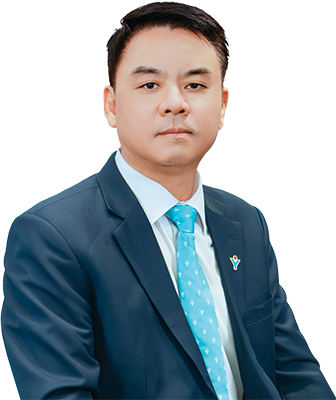
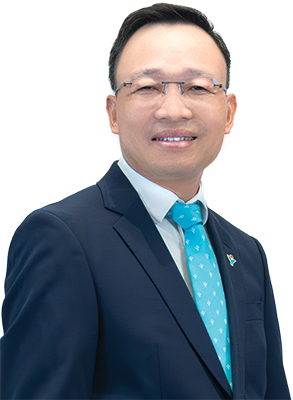
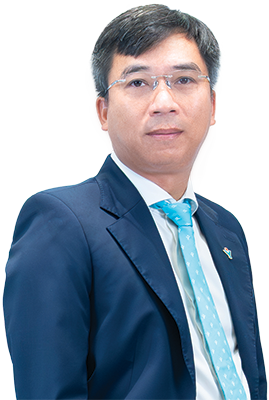


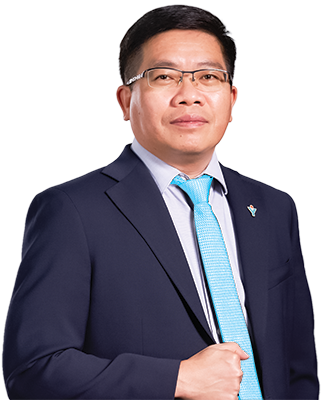
 Following the orientation toward building an ethical corporate culture and business integrity, PVFCC