Effective Energy Use and Transition Management (GRI 302)
The most notable highlight was that energy intensity per ton of product produced reached 7.68 GJ/ton, showing continuous and consistent improvement over three years with a reduction of 11.2% compared to 2023. This demonstrated PVFCCo’s strong commitment to improving energy efficiency and contributing meaningfully to its long-term greenhouse gas emission reduction roadmap.
In alignment with requirements for greenhouse gas inventory, management, and mitigation planning under Decree No. 06/2022/NĐ-CP, and in line with Vietnam’s net-zero emissions target by 2050 announced at COP26, as well as the sustainable development strategy of the parent group, PVFCCo gradually established a structured and systematic greenhouse gas management framework. The greenhouse gas inventory at Phu My Fertilizer Plant was implemented starting from 2022, forming the basis for identifying baseline emissions and developing medium- and long-term action roadmaps. Accordingly, Phu My Fertilizer Plant set a target to reduce total greenhouse gas emissions by 3% by 2030 compared to the 2022 baseline, equivalent to approximately 17,514 tons of CO2.
Efficient Management and Use of
Natural Resources (GRI 301)
Production activities in the fertilizer and chemical sector are highly dependent on inputs derived from fossil fuels, particularly natural gas, as well as inorganic catalysts–both of which are finite resources. Recognizing this characteristic, PVFCCo focuses on promoting solutions to improve resource efficiency while gradually researching alternative input materials with transformative potential, aiming toward long-term sustainable development.
Controlling and minimizing negative impacts on the natural environment and surrounding communities were always identified by PVFCCo as a core pillar of responsible corporate governance. Based on increasingly stringent legal requirements and rising expectations from stakeholders, the Corporation gradually shifted from a compliance-based approach to a more proactive and systematic environmental impact management model.
Biodiversity, Water Resources,
and Soil Conservation (GRI 101)
Enhancing the Efficiency of
Water Resource Management and Protection
PVFCCo’s surface water usage in 2025 decreased by 3.7% compared to 2024, mainly due to the comprehensive maintenance shutdown that reduced actual operating days. This water source primarily served the circulating cooling system and was continuously monitored online to protect the aquatic ecosystem of the Thi Vai River. The most notable ESG highlight was that supplied water maintained a continuous and consistent downward trend from 2023 to 2025, reflecting the real effectiveness of efforts in water reuse, internal recycling, optimization of water treatment systems, and reduction of operational losses. Overall, PVFCCo increasingly managed input water resources more efficiently, especially regarding supplied water – a valuable freshwater resource with the greatest environmental impact. This demonstrated the Corporation’s concrete and measurable commitment to efficient water use in line with circular economy principles.
In its journey toward sustainable development, PVFCCo identified the management and protection of fundamental elements of natural ecosystems as a prerequisite to ensuring the long-term sustainability and stability of its production and business operations. Biodiversity and soil quality not only played an important role in the environment surrounding the plant’s operations but also held critical significance within the agricultural value chain in which the Corporation participated, from research and production to the use of products by farmers. On this basis, PVFCCo developed and implemented biodiversity and soil management and conservation activities through a proactive and preventive approach aligned with long-term sustainable development orientation.
Biodiversity and Soil Conservation in the value chain
The use of inorganic fertilizers could have certain impacts on soil quality and ecological balance in agricultural areas if not properly managed and used. Recognizing its responsibility within the agricultural value chain, PVFCCo not only focused on managing and minimizing biodiversity-related impacts in the area surrounding Phu My Fertilizer Plant but also proactively integrated solutions for protecting soil and ecosystem health throughout the product life cycle, from research and production to usage by farmers.
In the production and business activities, PVFCCo applied a precautionary principle to minimize impacts on areas of high ecological value. Accordingly, the Corporation did not invest in, construct, or operate facilities in or near nature reserves, biodiversity-rich areas, or sensitive habitats, based on classification and assessments by state authorities and reputable international organizations.
PVFCCo actively participated in ecosystem protection and restoration programs through tree planting and soil improvement initiatives. The Corporation collaborated with trade unions, youth unions, and functional units to implement programs such as: “Annually Tet Tree Planning”, “Trade Union Garden at the Factory”, “Greening Truong Sa”, in cooperation with Naval Region 4 in Cam Ranh (Khanh Hoa), PVFCCo implemented the “Greening Truong Sa” program, planting more than 305,650 trees (completing the Group’s target of planting 300,000 trees during the 2022–2025 period assigned for PVFCCo), aimed to green coastal sandy areas, improve soil retention, and act as windbreaks in the Truong Sa area. At the same time, they contributed to improving soil quality under harsh conditions through biological nitrogen fixation mechanisms and supported the restoration of vegetation cover and local biodiversity.
Enhancing the Efficiency of
Water Resource Management and Protection
At PVFCCo, groundwater was not extracted or used at any operating facilities. Instead, the Corporation utilized water from two main sources to serve production and domestic needs, as follows:
Water for cooling purposes was sourced from the Thi Vai River via a shared canal system with Phu My 3 Power Plant, combined with a dedicated canal leading directly to Phu My Fertilizer Plant to meet equipment cooling requirements during operations. After fulfilling its cooling function, the water was strictly controlled in terms of temperature, chlorine concentration, and chemicals used for scale and algae treatment before being discharged back into the Thi Vai River, thereby minimizing potential impacts on the ecosystem, especially during periods of reduced river flow.
Domestic water was supplied from the municipal clean water system operated by Phu My Water Supply Company and other local providers, meeting usage needs at offices, canteens, auxiliary facilities, warehouses, and related living areas.
Although none of PVFCCo’s facilities were located in areas classified as having water scarcity risks, the Corporation proactively applied principles of efficient and responsible water use to contribute to overall water security. Accordingly, the following key orientations and activities were implemented:
Strictly complied with applicable legal regulations related to surface water extraction, use, and management of water input sources.
Integrated water protection solutions from the design stage of infrastructure and technical systems, thereby preventing environmental risks and maintaining stable long-term operations.
Actively researching and implementing circular solutions for river water used in cooling machinery and equipment operations at the Phu My Fertilizer Plant.
Ensured that input water quality met requirements under QCVN 08:2023/BTNMT for surface water and QCVN 01:2009/BYT for domestic water use.
Invested in and operated modern monitoring systems with functions for tracking, early warning, and incident response, enabling continuous control of water quality and flow throughout usage.
Conducted regular monitoring and evaluation of water use efficiency across all areas, including main production workshops (Ammonia, Urea, NPK), auxiliary areas, residential areas, cooling systems, offices, apartments, and warehouses.
Conducted periodic monitoring at least four times per year for receiving water sources in accordance with regulations.
Fully prepared and submitted reports on water extraction, use, discharge conditions, and annual environmental protection reports to competent state authorities.
The results of the statistical assessment of input water usage at Phu My Fertilizer Plant and its four subsidiaries over the years, compiled from surface water flow meter readings and water supply invoices, are as follows:
Unit
2025
2024
2023
Surface water
m3
31,198,260
32,390,084
29,568,334
Supplied water
m3
736,249
770,729
848,215
Total
m3
31,934,509
33,160,813
30,416,549
Effective Energy Use and Transition Management (GRI 302)
In 2025, PVFCCo’s fertilizer and chemical production activities continued in the context of a highly energy-intensive industry. The nature of production required significant use of fossil fuels, particularly natural gas as a primary input, while also consuming large amounts of energy to operate production lines, equipment systems, and logistics activities. Therefore, electricity demand for production remained high to ensure stable, safe, and efficient plant operations.
At the same time, 2025 recorded many fluctuations in the energy market, reflected in sustained high input gas prices, periods of supply pressure, and increasingly stringent requirements on energy efficiency and emission reduction. Meanwhile, Vietnam continued to promote its green growth strategy, energy transition, and climate commitments, placing increasingly high demands on large-scale industrial manufacturers.
In this context, PVFCCo identified efficient energy management and usage as a key focus in its long-term sustainable development strategy. This effort not only aimed to comply with legal requirements but also contributed to improving operational efficiency, controlling costs, minimizing environmental impacts, and aligning with national energy transition goals.
The energy consumption of PVFCCo and its subsidiaries over the past three years was summarized as follows:
Unit
2025
2024
20234
Calculation method
Net electricity consumption
GJ
279,129
278,903
188,872
Consumption after deducting production connected to the national grid
Grid-connected electricity
GJ
3,981
30,572
24,321
Converted from the total kWh amount according to the electricity purchase bill from Vietnam Electricity Group according to the coefficient 1kWh = 0.008991GJ (based on the document "Evaluation of Urea Plant Performance - Performance test Procedure Unit 20 - Urea Plant" of PVFCCo)
Power consumption
GJ
283,110
309,476
213,194
Converted from the total kWh amount according to the electricity purchase bill from Vietnam Electricity Group according to the coefficient 1kWh = 0.008991GJ (based on the document "Evaluation of Urea Plant Performance - Performance test Procedure Unit 20 - Urea Plant" of PVFCCo)
Diesel oil (DO)
GJ
12,902
13,480
13,534
Converted from the actual number of liters of oil purchased to operate vehicles owned by PVFCCo, machinery and equipment in Phu My Fertilizer Plant shown on input invoices according to the coefficient published in the documents of the Intergovernmental Panel on Climate Change (IPCC)
Natural gas – NG (fuel use)
GJ
9,079,318
9,319,647
8,722,134
Gas consumption volumes (in Sm3) are converted into MMBTU as shown on purchase invoices, using the conversion factor of 1 MMBTU = 1.05506 GJ.
Gasoline
GJ
12,479
12,788
9,624
Converted from the actual number of liters of gasoline purchased to operate vehicles owned by PVFCCo shown on input invoices according to the coefficient published in the document of the Intergovernmental Panel on Climate Change (IPCC)
Total energy consumption
GJ
9,342,536
9,624,819
8,934,165
Energy intensity per ton of product
GJ / Ton
7.68
8.39
8.65
Total energy consumed divided by total output volume produced in the year
4 In 2023 and 2025, PVFCCo carried out periodic plant maintenance, which caused interruptions in production operations and resulted in actual production output being lower than in 2024.
Assessment:
In 2025, PVFCCo’s total energy consumption decreased by 2.9% compared to 2024, mainly because the Corporation carried out periodic plant maintenance, which interrupted production and reduced energy demand compared to a year of continuous operation. Natural gas remained the primary energy input, accounting for 97.2% of total energy consumption, and decreased slightly by 2.6% compared to 2024, reflecting efforts to optimize fuel efficiency in production operations. Electricity fed into the national grid decreased sharply by 87% compared to 2024, to 3,981 GJ, due to the expiration of the power sale agreement between PVFCCo and EVN on February 24, 2025, in the context of changes in contracting entities following administrative restructuring. This was an objective factor, and PVFCCo actively negotiated to restore this activity. Consumption of diesel oil (DO) and gasoline showed a downward trend, reflecting improvements in optimizing vehicle and equipment operations and reducing fossil fuel usage.
In 2025, the Corporation implemented various key activities and programs to improve energy efficiency, strengthen energy consumption management and control, and gradually promote energy transition in alignment with its sustainable development strategy.
No.
Indicators (%)
Implementation Measures
Benefits
Progress as of 31/12/2025
A
Corporation and 04 Regional Subsidiaries
1
Offices of the Corporation and 04 Regional Subsidiaries maintained electricity costs
at the same level as 2024
Improved awareness of efficient and economical energy use among employees working at the Corporation and subsidiaries, including:
Maintained air-conditioning systems at temperatures above 240C.
Limited the use of air-conditioning systems and electrical equipment during peak hours from 9:30 AM to 11:30 AM (Decision No. 2941/QĐ-BCT dated 08/11/2023 on electricity pricing)
Turned off air-conditioning systems, lighting systems, and office equipment when not in use
Prioritized the use of natural lighting
Employees turned off their computers before leaving
Saved electricity costs for the Corporation
Fully implemented electricity-saving measures:
Electricity consumption in 2025: 602,406 KWh
Electricity consumption in 2024: 646,178 KWh
2
Corporate office business trip vehicle fuel costs are equal to 2024
Combined vehicles for the same travel routes
Shifted from gasoline-powered vehicle rental to electric vehicle services
Reduced fuel costs for cars
Solutions were implemented, although cost savings were not yet quantified:
Arranged shared vehicles for business trips
Gradually replaced traditional taxi cards with green electric taxi cards for employees
3
Used energy-saving LED lighting instead of traditional lighting
Continued reviewing and inventorying LED lights and traditional lighting (fluorescent, compact, halogen, high-pressure lamps, etc.) across warehouses and offices of the Corporation and Regional Subsidiaries
Gradually replaced damaged traditional lights with LED lights
Expected to save 30% of electricity consumption
At the Factory: Fully installed LED lighting in office areas and NPK workshop. Replaced about 20% of LED lighting in the technology area.
At warehouses and offices of the Corporation and Regional Subsidiaries: Fully installed LED lighting to replace traditional lighting
4
Monitored the energy-saving plan
Regularly inspected and monitored energy-saving and efficient energy use activities to ensure that targets set by each unit were achieved
Ensured control of energy-saving and efficient energy use activities in compliance with Corporate regulations and current laws
Periodic inspections were conducted annually
5
Researched on implementing energy-saving measures from the 2022 Energy Audit Report for Phu My Fertilizer Plant
Implemented two energy-saving solutions identified in the 2022 energy audit report, including:
Installed a condensate separator for equipment 10E5053 to reduce steam losses during discharge from steam traps
Redirected MP gas flow to 10H2001 to recover MP gas for reuse as fuel
Saved energy in plant production operations for Phu My Fertilizer Plant
Completed installation of the condensate separator for 10E5053 during the plant’s comprehensive maintenance in 2025
B
Phu My Fertilizer Plant
Based on the Corporation’s 2025 production targets of 780,000 tons of urea/year and 51,000 tons of NH3/year, the total energy-saving target at Phu My Fertilizer Plant was 573,920 MMBTU compared to the baseline.
Achieved energy savings of 597,693.081 MMBTU in 2025, exceeding the plan by 104.1% (573,920 MMBTU).
1
Energy consumption per ton of product (Urea, NH3, NPK) ≤ Values in Benchmark 01
Proactively adjust technology to reduce energy consumption in production. Energy consumption per ton of product ≤ specified values in benchmark 01
Electricity consumption per ton of UFC85 ≤ 345 (kWh/ton)
Proactively adjust UFC production technology.
Energy saving (Natural gas)
Achieved (293,962 kWh/Ton)
3
Number of electric motors (with 6.6KV autostart mode) operated simultaneously while pumps are functioning well:
≤ 4 motors
Optimize the operation of electric motors when disconnecting from the EVN grid and operating the plant independently using generator 10GT9001.
Energy saving (Electricity)
Achieved (No motors operated simultaneously)
4
Number of operating days of hydraulic turbine 10HT3001 per year ≥ 245 days
Maintain stable long-term operation of hydraulic turbine 10HT3001
Achieved (275 days)
5
Number of days stopping air compressor 10K4011 when gas supply pressure meets process inlet conditions (>39.3 barg)
≥ 136 days
Utilize high NG supply pressure (>39.3 barg) to maximize shutdown duration of compressor 10K4011
Achieved (347.04 days)
6
Number of days operating
≤ 3 River pumps and ≤ 2 Fresh pumps per year ≥ 245 days
Optimize cooling water system (operation of River and Fresh pumps)
Achieved (364.28 days)
7
Downtime of compressors 40PK5001/K1A/B and 40PK5005/K1A/B ≥ 245 days
Stop compressors 40PK5001/K1A/B and 40PK5005/K1A/B when using NH3 recovery line from tank 40TK5001 to compressor 10K4051
Achieved (compressor K4011 not put into operation)
Key achievements in energy management and sustainable energy transition in 2025
Energy savings in 2025 at Phu My Fertilizer Plant reached 597,693.081 MMBTU, equivalent to 104% of the plan (573,920 MMBTU).
Issuance of energy objectives and the 2025 plan for implementing economical and efficient energy management across the Corporation.
Strengthening of the Committee and its supporting team for energy management at the Corporation.
Consolidation of the energy management network at Phu My Fertilizer Plant.
Submission of energy use reports and updating the list of key energy-consuming facilities to Petrovietnam according to Official Letter No. 25-104/PBHC-KTAT dated January 16, 2025.
Reporting to the Group on 2025 implementation results and submitting the 2026 plan under the National Program on Economical and Efficient Energy Use (2019–2030), along with reporting the implementation of Directive No. 1530/CT-DKVN.
Reporting to Petrovietnam on the implementation of Directive No. 20/CT-TTg dated June 8, 2023 and Directive No. 1530/CT-DKVN dated March 14, 2024 on electricity saving.
Completion of the 2019–2025 report under the National Program on Economical and Efficient Energy Use in 2019–2030.
Providing survey information on energy efficiency for enterprises to the Department of Chemicals.
Submission to Petrovietnam of the 2026–2030 implementation plan under the National Program on Economical and Efficient Energy Use (Official Letter No. 25-2918/PBHC-KTAT dated December 26, 2025).
Conducting periodic energy audits (every 3 years) as required by Circular 25/2020/TT-BCT; PVFCCo hired a qualified entity to audit key energy-using facilities at Phu My Fertilizer Plant.
Implementation of energy-saving measures proposed by the Research Center, including:
Installation of a condensate separator for 10E5053;
Routing MP gas flow to 10H2001.
Providing comments on the draft amended Law on Economical and Efficient Energy Use.
Providing comments on the draft Government Decree detailing the implementation of the Law on Economical and Efficient Energy Use.
Disseminating electricity-saving practices according to Directive 20/CT-TTg to all units.
Providing financial support for organizing workshops for the Vietnam Energy Association.
PVFCCo’s Energy Saving Plan (2026–2032)
With the objective of improving energy efficiency in the 2026–2030 period, targeting a reduction of 0.5% energy consumption per unit of product, PVFCCo has focused on three main task groups:
Review and improve mechanisms and policies: Issuing internal regulations and policies to promote and monitor energy efficiency activities.
Promote investment projects and technical improvements: Implementing technical and technological solutions with high energy-saving potential identified through energy audits, focusing on optimizing major energy-consuming systems.
Enhance energy monitoring and digitalization: Developing centralized energy monitoring systems and digitizing data to support analysis and operational optimization, aiming to achieve three smart manufacturing plants.
Short-term (2026–2028)
Pursuant to Directive No. 20/CT-TTg dated June 8, 2023 of the Prime Minister on strengthening electricity saving in the 2023–2025 period and subsequent years, energy-using facilities with an annual electricity consumption of 01 million kWh or more must save at least 2% of electricity consumption per unit of product per year or at least 2% of total annual electricity consumption; review and ensure compliance and adherence to the provisions of the Law on Economical and Efficient Use of Energy and relevant legal documents on the economical and efficient use of energy and electricity saving.
To meet legal requirements and realize energy-saving opportunities, the plant has developed the following projects:
No.
Energy-saving solution
Energy-saving (unit/year)
1
Installation of an additional heat exchanger 10-E4021 configured in parallel with the existing heat exchanger 10-E4021R
648,240 – 1,051,200 (kWh)
2
Reduce wasted energy in the MP Vent Gas stream
74,738 (MMBTU)
Total
648,240 – 1,051,200 (kWh)
74,738 (MMBTU)
Medium-term (2029–2031)
During the period 2029–2031, PVFCCo will develop and implement additional energy-saving and electricity-saving solutions to meet the requirements of Directive No. 20/CT-TTg dated June 8, 2023 of the Prime Minister on strengthening electricity conservation for the period 2023–2025 and subsequent years, while contributing to overall social development objectives. PVFCCo will implement the following:
Develop and integrate programs to sponsor research and apply scientific and technological results on electricity saving into research and development programs and plans;
Launch initiatives and technical innovation movements on electricity saving across production and business facilities;
Select and apply technologies, technical solutions, equipment, materials, and input resources with high energy efficiency in renovation, expansion, new investment, and functional conversion projects,…
Promote the transition of technologies, equipment, machinery, vehicles, materials, and fuels toward efficient energy use and electricity saving;
Utilize energy generated during production, such as waste heat for power generation; will integrate renewable energy sources into internal energy systems to reduce dependence on electricity from the national grid;
Promote automation and optimization of electricity use in equipment, machinery, thermal systems, cooling systems, lighting systems, and other energy-consuming assets across production, business, and service operations,…
Long-term (From 2032 onwards)
During this phase, in order to maintain energy-saving and electricity-saving performance aligned with national objectives, the plant will focus on technological and infrastructure solutions to fully leverage renewable energy sources. PVFCCo will focus on the following directions:
Develop investment plans for new equipment and apply advanced technologies to improve energy efficiency;
Adopt new equipment and technologies to enhance efficient electricity use;
Seek technical and safety consultants for the investment and application of energy-efficient technologies;
Continue monitoring implemented industry solutions and evaluate their effectiveness for further application.
Greenhouse Gas Emissions Reduction
(GRI 305)
In alignment with requirements for greenhouse gas inventory, management, and mitigation planning under Decree No. 06/2022/NĐ-CP, and in line with Vietnam’s net-zero emissions target by 2050 announced at COP26, as well as the sustainable development strategy of the parent group, PVFCCo gradually established a structured and systematic greenhouse gas management framework. The greenhouse gas inventory at Phu My Fertilizer Plant was implemented starting from 2022, forming the basis for identifying baseline emissions and developing medium- and long-term action roadmaps. Accordingly, Phu My Fertilizer Plant set a target to reduce total greenhouse gas emissions by 3% by 2030 compared to the 2022 baseline, equivalent to approximately 17,514 tons of CO2.
To achieve this target, PVFCCo implemented multiple groups of activities across the enterprise in recent years, ensuring consistency, alignment, and suitability with actual production and business conditions, including:
Build and approve PVFCCo’s Greenhouse Gas Response and Emission Reduction Strategy with a reduction roadmap for the 2026-2030 period, vision to 2050, thereby establishing a long-term orientation framework as a basis for implementing emission reduction programs, initiatives, and projects in subsequent phases.
Conduct greenhouse gas inventories and fully prepare and submit reports for Scope 1 and Scope 2 emissions regarding 2024 operational data; simultaneously, develop the Greenhouse Gas Emission Mitigation Plan to 2030 at Phu My Fertilizer Plant to submit to the Ministry of Natural Resources and Environment (MoNRE) in accordance with current Government regulations and guidelines from specialized management agencies.
The year 2025 marks a major milestone on PVFCCo’s green transition journey. With a strong commitment to meeting the strictest standards of the global supply chain, PVFCCo has pioneered the synchronous deployment of an international-standard carbon governance system at Phu My Fertilizer Plant, specifically:
Enhancing emission transparency through Greenhouse Gas Inventory (ISO 14064–1:2018)
Implementing the 2025 greenhouse gas inventory report in accordance with the international standard ISO 14064-1:2018. The detailed assessment of emission sources (Scope 1, 2, and 3) helps PVFCCo clearly identify its overall greenhouse gas emission profile and establishes a solid baseline for implementing future emission reduction strategies.
Asserting green product positioning through Carbon Footprint Tracking (ISO 14067:2018)
PVFCCo is proud to be one of the industry pioneers in tracking the Product Carbon Footprint (CFP) throughout its life cycle (from “Cradle to Gate”) for its core products, including: Ammonia (NH3), Urea, NPK, UFC85/AF37, and commercial CO2. This transparency demonstrates PVFCCo’s environmental responsibility for each product unit brought to the market, meeting the requirements of both customers and stakeholders.
Creating a green supply chain with international credibility
All of PVFCCo’s greenhouse gas inventory data and reports under ISO 14064-1:2018, along with product carbon footprint tracking under ISO 14067:2018, are currently being assessed by BSI (British Standards Institution) and are scheduled to receive certification in August 2026. This proactive transparency of carbon data has strengthened PVFCCo’s strategic positioning and met the strict requirements of multinational partners
Gradually invests in, upgrades, and modernizes equipment and technologies to reduce emission intensity, including the operation of CO2 recovery systems from exhaust gas streams to lower direct emissions and improve resource efficiency.
Conducts surveys, collects, and standardizes data related to greenhouse gas emissions to support research and the development of management mechanisms and technical solutions, while preparing the necessary conditions to participate in domestic and international carbon credit markets in line with Vietnam’s roadmap.
Proactively enhances the professional capacity of staff by organizing and/or nominating personnel to participate in training programs on greenhouse gas management and reduction, carbon markets, low-carbon technologies, product carbon footprint quantification, climate change adaptation, and Measurement–Reporting–Verification (MRV) system requirements.
Maintains periodic reporting mechanisms to the parent group on the status of climate change-related activities and greenhouse gas emission reduction.
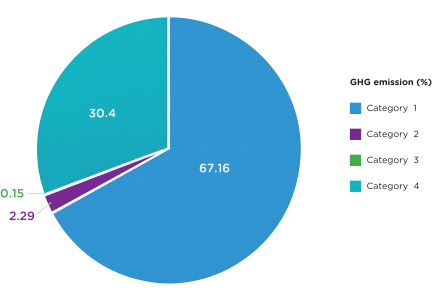
Detailed report table of GHG emissions corresponding to emission sources at Phu My Fertilizer Plant in 2025 under ISO 14064-1:2018, verified by BSI.
No.
Emissions Source
GHG Type
Emissions Volume
Total
(tCO2e)
Rate
(%)
Kg
Conversion
to tCO2e
Category 1 (Scope 1): Direct GHG emissions and removals
1.1a
NG combustion in stationary equipment
CO2
529,885,472.375
529,885.472
530,406.857
65.21%
CH4
9,445.374
263.526
N2O
944.537
257.859
1.1b
Diesel combustion in stationary equipment
CO2
14,290.714
14.291
14.338
0.00%
CH4
0.579
0.016
N2O
0.116
0.032
1.1c
Diesel combustion in stationary equipment
CO2
4.445
0.004
0.004
0.00%
CH4
0.000
0.000
N2O
0.000
0.000
1.1d
LPG combustion in stationary equipment
CO2
214.893
0.215
0.215
0.00%
CH4
0.003
0.000
N2O
0.000
0.000
1.2a
Gasoline combustion in mobile sources / vehicles
CO2
114,742.812
114.743
117.714
0.01%
CH4
54.639
1.524
N2O
5.298
1.446
1.2b
Diesel combustion in mobile sources / vehicles
CO2
870,456.405
870.456
888.608
0.11%
CH4
45.975
1.283
N2O
61.790
16.869
1.3a
Direct processes utilizing/emitting GHG / Process emissions
CO2
14,168,692.471
14,168.692
14,168.692
1.74%
1.4a
Leakage from firefighting equipment
CO2
54,511.116
54.511
54.511
0.01%
1.5b
Refrigerant leakage from cooling/refrigeration equipment
HFCs
204.000
312.120
312.120
0.04%
PFCs
0.000
0.000
SF6
0.000
0.000
1.6a
Wastewater treatment
CO2
0.000
0.000
187.456
0.02%
CH4
5,655.570
157.790
N2O
108.665
29.666
1.7a
Direct emissions and removals from Land Use, Land-Use Change, and Forestry (LULUCF)
CO2
-162,382.596
-162.383
-162.383
-0.02%
Category 2 (Scope 2): Indirect GHG emissions from imported energy
2.1a
Electricity from EVN
CO2
-
18,593.561
18,593.561
2.29%
Category 3 (Scope 3): Indirect GHG emissions from transportation
3.1
Transportation and distribution of goods from suppliers to the organization
CO2
1,719,459.462
1,719.459
1,719.459
0.21%
Category 4 (Scope 4): Indirect GHG emissions from products used by the organization and waste generated from the organization’s operations
4.1
Purchased products
CO2
246,989,982.45
246,989.982
246,989.982
30.36%
4.2
Waste generated from the organization's operations
CO2
141,923.070
141.923
141.923
0.02%
Total Emissions
813,433.060
tCO2e
Total Removals
-162.383
tCO2e
Detailed data on greenhouse gas emissions for the last 03 years are shown in the table below:
(SASB: EM-RM-110a.1)
Indicators
2025 (*)
2024
2023
% Increase / (Decrease)
Total direct GHG emissions – Scope 1
544,476.31
542,697
509,269
Increase 0.61%
Total indirect GHG emissions – Scope 2
18,593.56
21,794
13,276
Decrease 14.68%
Total indirect GHG emissions – Scope 3 (Raw materials and main chemicals, waste treatment, transportation of materials and chemicals)
248,351.63
-
-
-
Total GHG emissions
813,433.06
564,491
522,545
Assessment:
In 2025, the total greenhouse gas emissions of Phu My Fertilizer Plant under the ISO 14064-1:2018 standard reached 813,433.06 tonnes of CO2e. Of which, Scope 1 emissions were 545,988.13 tonnes of CO2e, epresenting a slight increase of 0.61% compared to 2024 due to expanded production output. Meanwhile, Scope 2 emissions decreased by 14.68% to 18,593.56 tonnes of CO2e driven by the efficiency of electricity management and energy-saving solutions. The year 2025 also marks the first time PVFCCo has inventoried and disclosed its Scope 3 emissions, totaling 248,351.63 tonnes of CO2e, thereby extending its carbon transparency across the entire value chain. The 2025 greenhouse gas inventory results were verified by BSI Vietnam Co., Ltd. during May–June 2026 and are currently awaiting the issuance of the Statement of Conformity with the ISO 14064-1:2018 standard. Step-by-step improvements to the emission management and disclosure system in alignment with international practices have enhanced PVFCCo’s ESG governance capacity, meeting the growing requirements of investors, partners, and advanced sustainability reporting standards.
Alongside the ISO 14064-1 milestone, in 2025 the Corporation launched its first-ever Product Carbon Footprint tracking initiative in for Phu My Fertilizer Plant’s products in accordance with the international standard ISO ISO 14067:2018 – a globally recognized standard for quantifying and communicating the carbon footprint of products. With this move, PVFCCo asserts its position as a pioneer in Vietnam’s fertilizer and chemical industry in quantifying climate impacts associated with specific products – from raw material extraction to the finished product leaving the factory gate (cradle-to-gate) – thereby providing transparent, verifiable data to serve green procurement decisions and increasingly stringent disclosure requirements from international markets. The tracking process was implemented under the consultancy of SMP Consulting and Training Co., Ltd., ensuring consistent methodology, accurate input data, and full compliance with the technical requirements of international standards. The carbon footprint tracking results are currently being verified by BSI UK since early June 2026 and are scheduled to receive the ISO 14067:2018 Certification in August 2026. This is not only concrete evidence of PVFCCo’s commitment to responsible climate governance, but also unlocks a strategic competitive advantage as international carbon trade barriers increasingly become a reality and directly impact the global fertilizer and chemical industry value chain.
Objectives and Measures for Greenhouse Gas Emissions Reduction at PVFCCo (2024 – 2030)
(SASB: EM-RM-110a.2)
The greenhouse gas (GHG) emissions reduction targets of the Phu My Fertilizer Plant are developed in alignment with the national direction toward achieving net-zero emissions by 2050 and the energy transition goals of Petrovietnam. On this basis, the plant aims to gradually reduce GHG emissions through improving energy efficiency, optimizing operations, and progressively adopting low-emission technologies.
The plant’s emission reduction targets are determined based on actual emission conditions, existing technology and equipment characteristics, production plans for the 2024–2030 period, and investment capacity for upgrades and improvements. During this period, the plant targets a gradual reduction in GHG emissions, aiming for approximately a 3% reduction compared to the Business-As-Usual (BAU) scenario by 2030. This reduction level is considered appropriate given the plant’s current technical conditions, can be measured, reported, and verified in accordance with regulations, and contributes to the overall emission reduction goals of both the Group and the country.
To achieve these targets, the plant plans to implement the following groups of GHG mitigation measures:
Operation of the CO2 recovery system from reforming emissions
Technical solutions to improve the operational efficiency of equipment and systems
Management solutions to better control energy consumption indicators and reduce overall energy use
Solutions for recovering and reusing waste heat and residual gases during production processes
Gradual research and adoption of clean energy to replace existing energy sources
Specific targets on emission reduction rates, annual emission reductions, and projected emissions after implementing mitigation measures during the 2024–2030 period are as follows:
Year
2024
2025
2026
2027
2028
2029
2030
Target (%)
0
0,5
1
1,5
2
2,5
3
Emission Reduction (Tons of CO2 Equivalent)
–
2,280
5,154
8,556
10,573
14,261
15,876
Projected emissions
564,489.7
561,186
510,277
561,873
518,088
556,169
513,325
The Greenhouse Gas Emissions Reduction Plan for the 2026–2030 period, as outlined in PVFCCo’s Strategy for Climate Change Response and Greenhouse Gas Emissions Reduction for 2026–2030, with a vision toward 2050, is as follows:
No.
Project name
Implementation time (Expected)
Estimated GHG emissions reduction
1
Short-term investment projects related to GHG emissions reduction
1.1
HP steam production project (biomass)
2025 – 2029
94,466 tons CO2/year
1.2
Urea Plant upgrade project – 2,580 MTPD
2025 – 2030
79,304 tons CO2/year
1.3
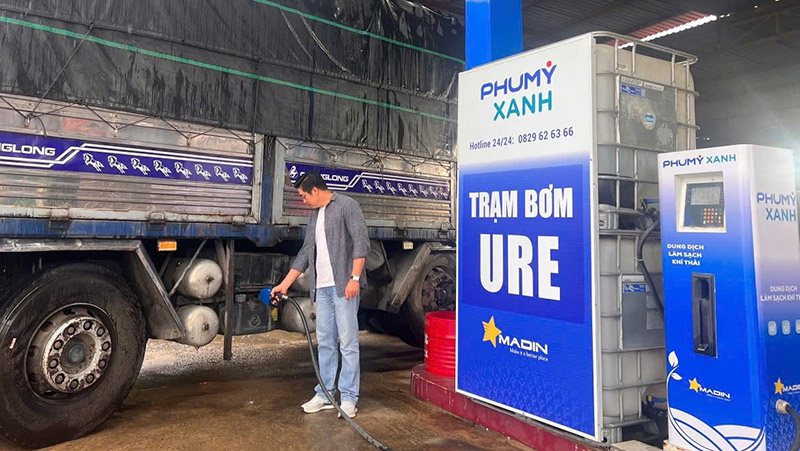
Research and investment in AdBlue project
2025 – 2027
To be calculated based on actual annual data
1.4
Development and expansion of organic/microbial fertilizers under the Phu My brand (indirect emission reduction through product portfolio restructuring)
2026 – 2030
To be calculated when the Corporation expands GHG inventory scope
2
Solutions related to carbon credit creation, trading, and exchange
2.1
Research and preparation for participation in the domestic carbon market
2026 – 2030
–
2.2
Register, trade, and exchange carbon credits in the domestic carbon market
2028 – 2030
–
2.3
Research participation in international carbon markets
2027 – 2029
–
3
Governance, management, and control solutions for GHG emissions reduction
3.1
Update and supplement functions and responsibilities of the Board of Directors’ Investment & Construction and Science & Technology Committee regarding GHG emissions
2026
–
3.2
Restructure PVFCCo’s Energy Steering Committee; update responsibilities on energy and GHG management, especially direct oversight of energy-saving/GHG reduction initiatives at Phu My Plant
6/2026
–
3.3
Develop GHG emission reduction norms and integrate them into the plant’s energy consumption benchmarks
2026 – 2028
–
3.4
Add GHG-related data into PVFCCo’s digital transformation data system
2026 – 2028
–
3.5
Integrate GHG-related information into periodic reports of Phu My Plant and PVFCCo
2026
–
3.6
Annually review and evaluate energy-saving and GHG reduction plans, responsibilities, and inter-department coordination processes to ensure alignment with actual conditions
2026 – 2030
–
3.7
Continuously update information on energy transition and GHG reduction trends, analyze impacts, forecast developments, and adjust strategies accordingly, especially for 2026–2030
2026 – 2030
–
4
Training and human resource development for GHG expertise
4.1
Strengthen training of high-quality human resources in technical expertise and management capacity related to GHG to meet new requirements in the context of energy transition and carbon markets
2026 – 2030
–
4.2
Develop annual training plans covering GHG-related topics such as legal frameworks, domestic/international carbon markets, carbon credit/quota trading, carbon footprint tracking, afforestation, etc.
2026 – 2030
–
5
Science, technology, and application solutions in the GHG field
5.1
Promote applied research, technological optimization/innovation for energy-saving and GHG reduction solutions, especially at Phu My Plant
2026 – 2030
–
5.2
Orient research toward deep processing projects and value chain development within Petrovietnam, contributing to PVFCCo’s chemical sector development and GHG reduction strategy
2026 – 2030
–
5.3
Research the application of AdBlue to reduce GHG emissions from reforming furnaces, auxiliary boilers, and gas turbine generators at Phu My Plant
2026 – 2030
–
5.4
Research carbon footprint tracking and product-level GHG emission calculations for PVFCCo’s products (including new project products)
2026 – 2030
–
5.5
Certify product carbon footprints of Phu My Plant according to ISO 14067:2018
2026 – 2030
–
5.6
Expand GHG inventory to include Scope 3 emissions
2027 – 2030
–
5.7
Organize workshops and forums to share knowledge and insights on GHG topics aligned with PVFCCo’s actual production and business context
2026 – 2030
–
Besides focusing on improving energy efficiency and reducing greenhouse gas emissions, in 2025 PVFCCo continued to prioritize the synchronized implementation of solutions aimed at minimizing emissions generated during the operation of production lines, thereby reducing negative impacts on the environment and surrounding ecosystems. Emission management and control measures were implemented proactively, systematically, and in strict compliance with the current legal framework.
Specifically, PVFCCo maintained full compliance with legal regulations related to emission monitoring, air quality control, and periodic reporting regimes as required by regulatory authorities. The Corporation completed the complete elimination of HCFC substances in its production and operations in accordance with the national HCFC phase-out management plan of Vietnam, thereby contributing to ozone layer protection and minimizing long-term environmental impacts.
At the same time, PVFCCo carried out regular monitoring and prepared Annual reports on the use of controlled substances in refrigeration systems, which were submitted to the Ministry of Agriculture and Environment in compliance with legal requirements. On this basis, the Corporation gradually implemented a transition plan toward more environmentally friendly cooling equipment, using alternative refrigerants that were not listed as ozone-depleting substances (ODS), such as R32, R410A, and R134A, which had lower global warming potential (GWP) and were safer for the environment.
The use of ODS substances was strictly controlled and was only carried out in cases truly necessary due to unavoidable technical incidents. In 2025, the amount of refrigerant charged was 91.8 kg. The Factory developed a plan to gradually replace leaking cooling equipment.
PVFCCo continued to conduct monitoring and control of industrial emissions in accordance with National Technical Regulations issued by the Ministry of Natural Resources and Environment, including QCVN 19:2009/BTNMT for dust and inorganic substances in industrial emissions and QCVN 21:2009/BTNMT applicable to emissions from chemical fertilizer production activities. At Phu My Fertilizer Plant, the automatic and continuous emission monitoring system operated stably and transmitted data directly to competent regulatory authorities, thereby supporting timely and transparent environmental supervision.
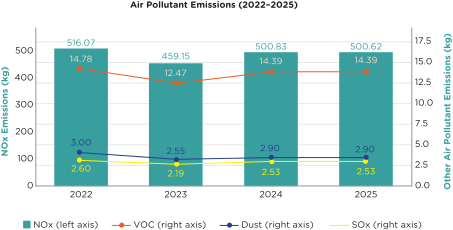
The estimation and assessment of generated pollutant emissions are conducted based on the production output of urea and ammonia, as well as the annual natural gas consumption at Phu My Fertilizer Plant, in compliance with the Guidelines for Air Emission Inventory for Oil and Gas Activities issued under Decision No. 445/QD-DKVN dated January 25, 2022, by Petrovietnam. The results of the assessment indicate that the volume of pollutant emissions generated has remained relatively stable over the years, with NOx being the main emission component. This reflects the effectiveness of PVFCCo’s continued implementation of emission control and management measures over the recent period.. The detailed volume of pollutant emissions is presented below:
Waste (GRI 303-4, GRI 306) (SASB: EM-RM-150a.1)
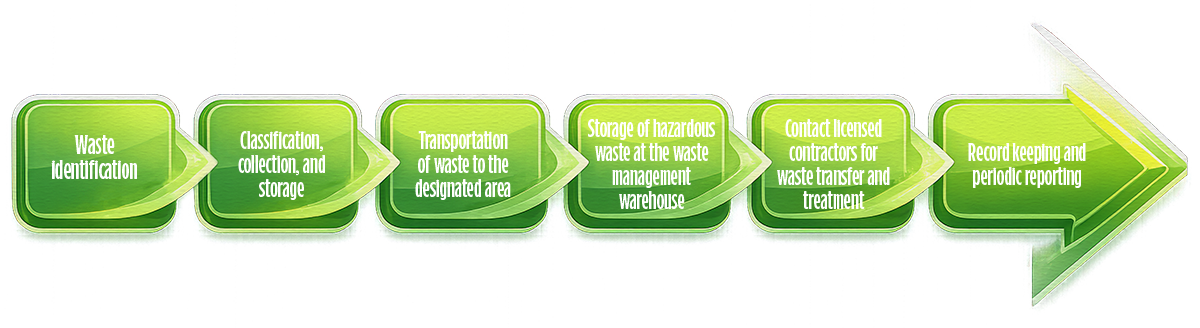
Regarding waste management, PVFCCo maintained the implementation of a comprehensive waste management system in accordance with ISO 14001:2015 and operated the process for collection, storage, and treatment of waste at Phu My Fertilizer Plant in compliance with the following procedures and regulations:
In the context of increasingly stringent requirements on environmental protection and resource management, waste management continued to be identified by PVFCCo as a key focus area in its environmental governance. Given the nature of its operations in the fertilizer and chemical sector, the Corporation clearly recognized that effective control of waste streams not only ensured compliance with applicable legal regulations but also played an important role in minimizing impacts on the environment and surrounding communities.
During the past year, PVFCCo implemented waste management activities based on a comprehensive approach, covering all stages from identification, classification, and collection to treatment and transfer of waste to qualified entities. Based on an assessment of the characteristics and volumes of waste generated from each production and business activity, the Corporation prioritized source reduction measures while promoting solutions for reuse, recycling, and resource recovery whenever feasible.
Alongside ensuring legal compliance, PVFCCo gradually integrated circular economy principles into waste management practices to enhance resource efficiency and reduce the volume of waste requiring traditional treatment methods. The programs, initiatives, and specific measures implemented during the year provided an important foundation for the Corporation to further improve its waste management system, aiming to minimize environmental impacts and achieve long-term sustainable development.
Solid waste management was carried out in full compliance with legal regulations: generated waste was classified at source and collected into hazardous waste bins (orange), industrial waste bins, and domestic waste bins (green). Waste bins were placed at production areas, offices, and workshops where waste was generated. Waste was periodically collected and transported to designated hazardous waste storage areas in accordance with legal requirements.
Organized the workshop “Waste Management & Environmental Incident Response at Phu My Fertilizer Plant.” The workshop focused on sharing practical experience and enhancing waste management capacity and environmental incident response for managers, safety engineers, and personnel responsible for environmental matters at various units.
Implemented the “Green Meeting Room – No Plastic Waste” model by replacing single-use plastic bottles with glass bottles and installing communication boards promoting “Green Meeting Room – No Plastic Waste.”
Continued to maintain the 5S program (a Japanese management method) at the Corporation’s office block and Phu My Fertilizer Plant since 2010. In 2025, the Corporation organized a workshop to evaluate and summarize the 5S program (Sort – Set in order – Shine – Standardize – Sustain), helping to organize workplaces more efficiently, cleanly, productively, and safely.
Encouraged employees to bring used batteries and dispose of them in collection bins installed at office areas.
Implemented synchronized communication initiatives, including publishing information on the website, electronic boards, standees in common areas, and sending infographics via email to all employees, thereby strongly promoting the message “Combating Plastic Pollution” throughout the Corporation.
Continued maintaining and improving the ISO 14001 environmental management system certified by DNV.
The results of waste generation in 2025 at PVFCCo were summarized as follows:
Result
Unit
2025
2024
20237
Range
Measurement
Total hazardous waste
Ton
179
303
403
Phu My Fertilizer Plant, Chemical Trading Branch, and 04 subsidiaries
Actual weighed quantity
Total non-hazardous waste
Ton
1,772
486
1,447
Domestic waste generated at Phu My Fertilizer Plant, Chemical Trading Branch, and 04 subsidiaries, as well as general industrial solid waste generated at Phu My Fertilizer Plant
Actual weighed quantity
In 2025, the Company generated 180.45 tons of domestic solid waste, all of which was treated by landfill disposal. The landfill rate of non-hazardous solid waste was 10.18%, equivalent to 180.45 tons out of a total of 1,772 tons of non-hazardous solid waste generated.
In 2025, PVFCCo’s total hazardous waste decreased significantly by 40.9% compared to 2024 and by 55.3% compared to 2023, showing a continuous and consistent downward trend over three years. This reflected the tangible effectiveness of efforts to control and minimize hazardous waste at the source through optimization of production and business operations, as well as improvements in operational and maintenance processes. Total non-hazardous waste in 2025 increased sharply by 264.6% compared to 2024; however, this was entirely due to objective and cyclical factors. The increase mainly arose from the comprehensive plant maintenance conducted in 2025, including the cleaning of cooling water tanks where sludge had accumulated after more than two years of continuous operation. This was combined with a significant increase in filtration sludge due to high suspended solids in the input cooling river water, as well as higher volumes of certain waste types generated during the overhaul, such as
ion-exchange resin beads from water treatment processes and construction waste from repair activities. Within the ESG framework, PVFCCo’s transparent disclosure and clear explanation of fluctuations in waste data demonstrated its commitment to honesty and accountability in reporting.
In addition, in 2025, PVFCCo maintained stable production and business operations and did not record any incidents related to environmental accidents or violations of legal regulations on waste and wastewater management. This result reflected the effectiveness of environmental control, monitoring, and compliance measures implemented consistently across all units of the Corporation.
At the same time, approximately 68 tons of waste, including hazardous and non-hazardous industrial waste such as used lubricating oil, oil-contaminated rags, sludge, metal shavings, paper packaging, and plastic packaging, were classified, recovered, and successfully diverted from conventional disposal methods. This was achieved through the application of circular economy-oriented management solutions by transferring the waste to licensed entities for recycling, reuse, or energy recovery in accordance with current regulations.
Thus, PVFCCo’s waste recycling rate in 2025 was 13.8%, including: 10% of commercial fertilizer packaging being recycled + 3.8% of hazardous waste being transferred to recycling/reuse facilities.
7 The figures for 2023 and 2025 are higher as PVFCCo conducted periodic plant maintenance, which generated a larger amount of hazardous waste from cleaning and maintenance activities of machinery and equipment.
Controlling and minimizing negative impacts on the natural environment and surrounding communities were always identified by PVFCCo as a core pillar of responsible corporate governance. Based on increasingly stringent legal requirements and rising expectations from stakeholders, the Corporation gradually shifted from a compliance-based approach to a more proactive and systematic environmental impact management model.
At the same time, the environmental management system was periodically reviewed and updated to improve the effectiveness of monitoring, control, and treatment of waste sources. Continuous improvement initiatives in environmental protection were encouraged and implemented, thereby supporting the reduction of environmental risks and enhancing long-term operational efficiency.
Regarding wastewater management, PVFCCo continued to strengthen control of potential impacts on surface water and groundwater in the area of Phu My Fertilizer Plant, while integrating water efficiency solutions into production operations. Building on achieved results, the Corporation gradually improved programs, measures, and commitments to protect water resources and meet sustainable development objectives in the next phase.
Completed the connection of domestic wastewater from the Phu My Fertilizer residential area to the centralized wastewater treatment system of Phu My Ward.
Completed installation of a wastewater treatment module for Tien Giang fertilizer warehouse.
All environmental indicators (wastewater, emissions) at the Plant and Corporation facilities were monitored and remained within permitted limits under current Vietnamese regulations.
Integrated wastewater monitoring and treatment into the ISO 14001:2015 environmental management system to ensure risk control, legal compliance, and safe operations.
Installed an automatic continuous monitoring system for cooling wastewater discharge (into the Thi Vai River) at Phu My Fertilizer Plant, transmitting data directly to the Ho Chi Minh City Department of Agriculture and Environment, combined with periodic monitoring every two months (with analysis by an independent qualified entity) to verify data and assess system stability.
Conducted periodic monitoring of industrial and domestic wastewater at the Plant every 3 months, and at offices/fertilizer warehouses every 6 months by qualified entities.
Studied solutions for reusing treated wastewater for non-production purposes such as irrigation, industrial cleaning, or cooling, thereby moving toward a circular production model, saving resources, and reducing wastewater discharge.
Wastewater reuse solutions after treatment, moving toward a circular production model that conserves resources and reduces wastewater discharge into the environment, are being implemented at the Phu My Fertilizer Plant, including:
Wastewater generated from the exhaust gas treatment system of the NPK production line is collected in the EHU tank for treatment, then recycled for dust scrubbing in the exhaust gas scrubber tower of the NPK production line’s gas treatment system.
Water from the demineralized water system is collected in neutralization tank 30-PK-1001/BA1 for treatment and recycled for cooling purposes.
Backwash water from the potable water production system is collected in the cooling water tank for recycling and reuse in cooling applications.
Backwash water from the river water filtration system for cooling water intake is collected in settling tank 30-BA-3004 for treatment and recycled for cooling reuse.
The volume of wastewater generated and discharged into the environment from Phu My Fertilizer Plant and its affiliated units was monitored and aggregated by PVFCCo based on measurement and estimation methods appropriate to each type of activity. For Phu My Fertilizer Plant, wastewater flow was determined through automatic metering systems and based on documentation of industrial wastewater transferred to the centralized wastewater treatment system of IZICO.
For member units, including four subsidiaries and affiliated warehouses, domestic wastewater volumes were calculated based on actual water supply consumption while fully complying with applicable legal regulations.The aggregated results are presented as follows:
Indicator
Unit
2025
2024
2023
Surface water discharge (cooling water to Thi Vai River)6
m3
31,334,740
32,458,347
29,468,237
Discharged to third parties
m3
172,355
177,886
203,677
Assessment:
PVFCCo recorded positive changes in wastewater management and control. The volume of surface water discharge (cooling water) into the Thi Vai River in 2025 decreased by 3.5% compared to 2024, mainly due to the scheduled plant maintenance in 2025, which reduced actual operating days, combined with improvements in the operation of the circulating cooling system. The most notable ESG highlight was that wastewater discharged to third parties maintained a consistent downward trend over three consecutive years, equivalent to a reduction of 15.4% over the period. This positive result reflected the effectiveness of water-saving efforts, reuse and recycling of internal water, and optimization of wastewater treatment processes at the source, thereby significantly reducing the volume of wastewater requiring external treatment. Overall, PVFCCo’s wastewater management indicators were moving in the right direction, demonstrating increasingly concrete and measurable commitments to protecting water resources and minimizing impacts on the surrounding aquatic environment.
6 The figures for 2023 and 2025 are lower as PVFCCo conducted periodic plant maintenance, resulting in disruptions to production activities and lower actual output compared to 2024.
Biodiversity and Soil Conservation in the value chain
The use of inorganic fertilizers could have certain impacts on soil quality and ecological balance in agricultural areas if not properly managed and used. Recognizing its responsibility within the agricultural value chain, PVFCCo not only focused on managing and minimizing biodiversity-related impacts in the area surrounding Phu My Fertilizer Plant but also proactively integrated solutions for protecting soil and ecosystem health throughout the product life cycle, from research and production to usage by farmers.
Green – Sustainable Products
At the product strategy level, PVFCCo is intensifying investments in the research and development (R&D) of organic fertilizer lines, bio-products, bio-based/high-tech crop protection products, water-retaining gels, and other innovative products. These approaches aimed to minimize chemical residues in soil and water–factors that could reduce beneficial organisms and disrupt ecological balance–while contributing to the protection of soil microorganisms, beneficial insects, and wildlife in agricultural areas. The Corporation also conducted real-world pilot studies under various production conditions to evaluate the effectiveness and suitability of its products before large-scale deployment, ensuring a balance between agricultural efficiency and environmental protection objectives.
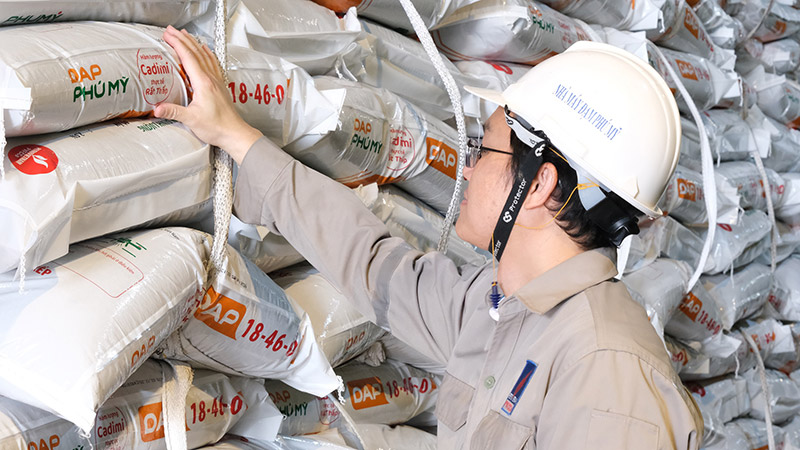
Notably, on December 5, 2025, PetroVietnam Fertilizer and Chemicals Corporation (PVFCCo) officially announced the successful production and market launch of DAP Phu My, marking an important milestone in its strategy to expand its portfolio of high-quality fertilizers and proactively secure supply for Vietnam’s agriculture.
One of the most outstanding and distinctive advantages of DAP Phu My was its extremely low Cadmium (Cd) content. According to the analysis results of the first production batch, Cadmium content reached approximately 0.25 ppm, which was 50 times lower than the Vietnamese regulatory limit. This represented a strong commitment by Phu My to protecting soil health, minimizing heavy metal residues, producing safe agricultural products, and meeting stringent export standards in line with global sustainable agriculture trends.
Applied a special granulation technology combined with high-purity raw materials enabled the fertilizer granules to dissolve quickly and completely under sufficient moisture conditions, together with a high nutrient content (effective P2O5 at 46% and total nitrogen at 18%). DAP Phu My helped crops absorb nutrients rapidly, develop strong root systems, stimulate flowering, increase yields, and improve agricultural product quality.
In early December 2025, Phu My planned to launch approximately 3,500 tons of DAP Phu My to the market, prioritizing supply to the Southern and Central regions – Tây Nguyên, where demand was high and cadmium residue in soil and water remained a concern for farmers and authorities. With its high standards and improved safety, DAP Phu My was expected to help reduce cadmium (Cd) residue risks and support farmers in transitioning to safe and sustainable farming practices.
This marked an important step in Phu My’s long-term development strategy, focusing on investment in modern technology, diversification of products, and increasing the proportion of high-quality fertilizers. Mastering DAP production technology at the Phu My NPK Factory also enhanced the company’s competitive advantage and better met the requirements of farmers and distribution systems in terms of quality, safety, and usage efficiency.
The introduction of DAP Phu My reaffirmed PVFCCo’s commitment to delivering reliable products with transparent origins and consistent quality, contributing to reducing dependence on imports, ensuring crop nutrient security, and advancing sustainable agriculture.
Alongside the development of new products, PVFCCo continuously improved and upgraded the quality of its existing products, optimizing formulations to maintain crop efficiency while minimizing negative impacts on water sources and soil nutrient balance.
The above orientations and activities served as the foundation for PVFCCo to gradually realize its long-term vision toward 2050 of becoming a large, pioneering enterprise in the field of high-tech chemicals, particularly green chemicals (Green DEF Phu My). Within this roadmap, science and technology, innovation, and digital transformation were identified as strategic pillars, contributing to enhanced competitiveness, effective environmental and resource management, and playing a key role in achieving net-zero emissions (Net Zero) and long-term sustainable development.
During the period 2026–2030, with a vision toward 2050, PVFCCo planned to focus resources on research, development, application, and gradual mastery of strategic technology groups associated with biodiversity protection and soil quality improvement within the agricultural value chain. This approach aimed to minimize adverse impacts on natural ecosystems, promote efficient resource use, and limit soil degradation during production and product use. On that basis, the Corporation prioritized the development of products and technological solutions that supported sustainable agricultural ecosystems, balancing farming efficiency and environmental conservation, as follows:
Fertilizer sector
Urea fertilizers: Developed advanced and differentiated Urea products (including micronutrient enrichment, nano-coating, controlled-release formulations…). Studied capacity expansion of the Urea plant.
NPK fertilizers: Increased market share and developed high-nutrient NPK product lines tailored to specific crops and regions, including controlled-release NPK.
Organic fertilizers: Strongly developed organic, bio-organic, microbial, and mineral-organic fertilizers toward green and sustainable agriculture.
Chemical sector
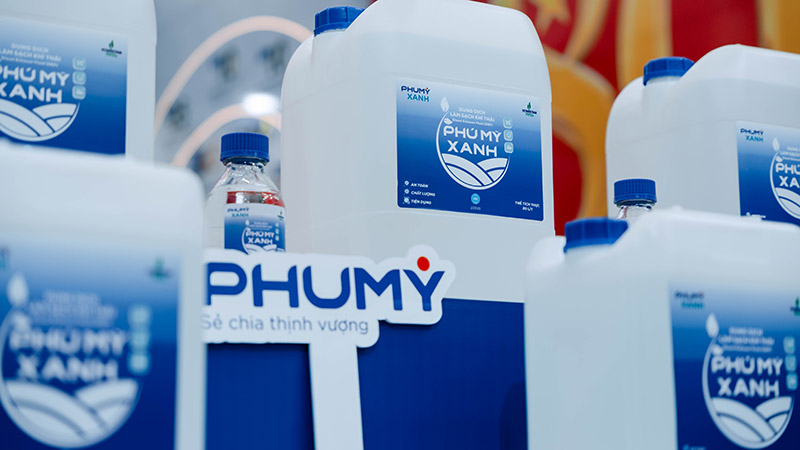
Core chemicals: Optimized production of existing products (NH3, commercial CO2, UFC85). Focused on implementing key projects such as H2O2, Green DEF Phu My, Melamine, and H2SO4 (Nghi Son).
Advanced chemicals / supporting green transition: Researched and developed ultra-high-purity chemical products for high-tech industries (semiconductors, electronics); pilot projects for advanced alumina production (as assigned by Petrovietnam), ultra-pure H2SO4 ultra-pure H2O2 ultra-pure, NH3 etc.
Green chemicals & green energy: Explored investment opportunities in green hydrogen, green ammonia, bio-based fuels/chemicals, low-carbon technologies, and CO2 utilization/conversion aligned with energy transition and emission reduction trends.
Sustainable Fertilizer Use
In addition to controlling environmental impacts within the plant boundary, PVFCCo proactively extended environmental responsibility across the entire agricultural value chain, where end users–farmers–played a key role in protecting soil quality and maintaining ecosystem balance. Therefore, the Corporation not only supplied products but also worked alongside farmers through communication, training, and knowledge transfer programs to change fertilizer use behavior toward efficiency, safety, and environmental friendliness.
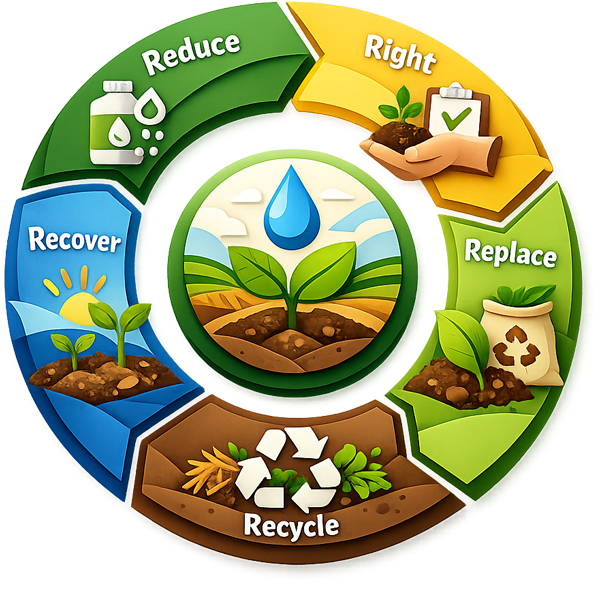
These activities followed the 5R approach in sustainable agriculture:
Reduce – minimizing excessive fertilizer use to limit chemical accumulation in soil and water;
Right – using the right type, right dosage, right timing, and right method to protect soil microorganisms and reduce unnecessary emissions;
Replace – using the right type, right dosage, right timing, and right method to protect soil microorganisms and reduce unnecessary emissions;
Recycle – promoting nutrient cycling in farming systems through soil improvement and utilization of agricultural by-products;
Recover – restoring soil fertility and the long-term self-balancing capacity of agricultural ecosystems.
Through specialized workshops such as those on the application of artificial intelligence in agriculture and the introduction of technological solutions for crop monitoring and irrigation optimization, PVFCCo supported farmers in accessing modern production methods, helping increase crop productivity while reducing pressure on land, water resources, and biodiversity. This approach not only created short-term economic value but also laid the foundation for a sustainable agricultural ecosystem that balanced production efficiency and environmental protection.
In the production and business activities, PVFCCo applied a precautionary principle to minimize impacts on areas of high ecological value. Accordingly, the Corporation did not invest in, construct, or operate facilities in or near nature reserves, biodiversity-rich areas, or sensitive habitats, based on classification and assessments by state authorities and reputable international organizations.
At the same time, PVFCCo conducted periodic assessments of biodiversity-related factors in the Thi Vai River area, combined with ecological risk identification and the development of appropriate response measures. These activities included monitoring and conserving species listed in the IUCN Red List or endangered and rare species under Vietnamese regulations, as well as monitoring and managing potential risks of invasive species in aquatic environments when detected.
planting more than
0trees
Contribution to Building a Sustainable Ecosystem
PVFCCo actively participated in ecosystem protection and restoration programs through tree planting and soil improvement initiatives. The Corporation collaborated with trade unions, youth unions, and functional units to implement programs such as: “Annually Tet Tree Planning”, “Trade Union Garden at the Factory”, “Greening Truong Sa”, in cooperation with Naval Region 4 in Cam Ranh (Khanh Hoa), PVFCCo implemented the “Greening Truong Sa” program, planting more than 305,650 trees (completing the Group’s target of planting 300,000 trees during the 2022–2025 period assigned for PVFCCo), aimed to green coastal sandy areas, improve soil retention, and act as windbreaks in the Truong Sa area. At the same time, they contributed to improving soil quality under harsh conditions through biological nitrogen fixation mechanisms and supported the restoration of vegetation cover and local biodiversity.
Year of implementation
Program
Place
Number of trees planted
Note
2023
Greening Truong Sa
Truong Sa Island District
100,000
100,000 100,000 Casuarina trees (70–90 cm in height) and accompanying materials such as Tribat nutrient soil, stakes, and protective nets
Youth Flower Garden – Phan Thiet
Phan Thiet
4,500
Native plants such as bougainvillea, crape myrtle, and Lagerstroemia (1.0–1.5 m in height)
Schoolyard Garden – Quang Trach Commune
Quang Binh
500
Native trees such as flamboyant, almond, and royal poinciana (1.0–2.0 m in height)
Trade Union Garden – Long Phu - Song Hau Power Plant
Hau Giang
130
Pomelo trees (1.5–2.0 m in height)
Tree Planting Tet at Phu My Fertilizer Plant
Ba Ria – Vung Tau
50
Jackfruit trees (1.5–2.0 m in height)
Tree planting at warehouses and ports
Various warehouses and ports
470
Native trees such as melaleuca, almod, jackfruit (1.5–2.0 m in height)
2024
Greening Truong Sa
Truong Sa Island District
100,000
70,000 Casuarina trees (70–90 cm), 5,000 sea almond seedlings (0.3 m), 25,000 Terminalia catappa seedlings (0.4 m), and accompanying materials such as Tribat soil and Phu My fertilizers
2025
Greening Truong Sa
Truong Sa Island District
100,000
80,000 Casuarina trees (70–90 cm), 1,000 sea almond seedlings (0.3 m), 19,000 Terminalia seedlings (0.4 m), and accompanying materials such as nutrient soil and Phu My fertilizers
Total
305,650
The “Greening Truong Sa” program held significant importfance for protecting national maritime sovereignty. Hundreds of thousands of trees were planted across islands in the Truong Sa archipelago, providing greenery and shade for personnel stationed on the islands, while also contributing to reducing CO2 emissions in the atmosphere and mitigating the greenhouse effect that caused global warming, climate change, and various risks to life on Earth. Moreover, covering the islands with vegetation contributed to strengthening Vietnam’s effective sovereignty over these maritime areas. However, due to military confidentiality factors, PVFCCo was not able to assess the actual impact of CO2emission reductions at this time.
Efficient Management and Use of
Natural Resources (GRI 301)
Production activities in the fertilizer and chemical sector are highly dependent on inputs derived from fossil fuels, particularly natural gas, as well as inorganic catalysts–both of which are finite resources. Recognizing this characteristic, PVFCCo focuses on promoting solutions to improve resource efficiency while gradually researching alternative input materials with transformative potential, aiming toward long-term sustainable development.
In 2025, PVFCCo continued to implement and expand several key initiatives, including:
Strengthening management and monitoring of raw material usage across all production and business activities; proactively proposing solutions to optimize consumption rates, reduce waste, and promote the use of renewable materials.
Implementing a transition roadmap toward green production, focusing on studying options to partially replace natural gas with lower-emission energy sources such as green hydrogen H2 and liquefied natural gas (LNG), in line with existing technological and infrastructure conditions.
Enhancing technical cooperation with international organizations and partners, including GIZ, SK E&S (Korea), and Green Solution, to assess feasibility and develop a roadmap for integrating green hydrogen into production processes, using solar power for water electrolysis.
Applying solutions to reduce resource consumption in logistics and packaging, prioritizing the reuse of existing wooden pallets and gradually shifting to environmentally friendly plastic pallets and auxiliary materials.
Promoting digital transformation in production, business, and internal management activities, thereby reducing paper usage and improving operational efficiency in line with sustainable development goals.
Fulfilling product packaging recycling responsibilities by outsourcing recycling services and declaring compliance via the National EPR (Extended Producer Responsibility) online portal.
The results of measuring the quantities of renewable and non-renewable materials used by PVFCCo over the years are presented in the table below:
Group
Materials
Unit
2025
2024
20235
Non-renewable materials
Natural gas
MMBTU
12,429,251
12,262,431
11,164,776
Chemicals
Tons
18,157.68
17,134
18,559
Plastic pellets
Litres
14,075
28,665
75,079
Renewable materials
Paper (printing)
Kg
11,075
4,078
4,504
Plastic packaging for fertilizer products
Kg
3,599,379.037
3,401,563.426
3,261,021.114
Assessment:
In 2025, natural gas – the non-renewable raw material accounting for the largest share – increased slightly by 1.4% compared to 2024 due to expanded production output. Meanwhile, chemical consumption remained below 2023 levels, indicating that PVFCCo is effectively controlling its material consumption norms per product unit. The most prominent ESG highlight is the continuous and sharp decline in virgin plastic pellet consumption (a significant 81.3% reduction compared to 2023). While this was partially due to cyclical replacement, it also reflects the Corporation’s concerted efforts to minimize plastic usage. Conversely, the 5.82% increase in plastic packaging materials was an inevitable trend corresponding to the growth in fertilizer production volume and imported products distributed to the market, all of which were collected and recycled in strict compliance with regulations. However, paper consumption experienced a sharp spike of 171.6% compared to 2024 due to actual operational demands at units involved in shipping activities, gate control at the Plant, and document printing for project implementation preparations. This represents an objective cause, and PVFCCo will continue to consider accelerating process digitization to control and reduce paper consumption in the subsequent phase, aligning with the Corporation’s long-term digital transformation and sustainable development goals.
In addition to efforts to optimize raw material usage and reduce waste generation in production, PVFCCo gradually shifted its focus toward packaging lifecycle management following circular economy principles, in which plastic packaging was identified as a priority material group due to its large volume and potential long-term environmental impact if not properly handled. Improving the efficiency of plastic packaging recovery and recycling not only contributed to reducing landfill waste but also helped utilize secondary resources, thereby reducing pressure on virgin resource extraction.
Based on an assessment of the current status of plastic packaging use, collection, and treatment throughout production and business operations, PVFCCo developed a step-by-step roadmap to improve recycling rates through standardizing classification processes, strengthening cooperation with collection and recycling partners, and raising awareness among employees and stakeholders. Accordingly, the Corporation implemented a target to increase the recycling rate of plastic packaging by at least 10% annually by engaging qualified recycling service providers instead of paying contributions to the Vietnam Environmental Protection Fund, consistent with its implementation capacity and medium- to long-term sustainable development orientation.
Recycled materials used
2025
2024
2023
Plastic packaging (Kg)
359,937.904
340,156.343
326,102.111
Recycle rate (%)
10
10
–
5 The figures for 2023 and 2025 are lower as PVFCCo conducted periodic plant maintenance, resulting in disruptions to production activities and lower actual output compared to 2024.
Enhancing the Efficiency of
Water Resource Management and Protection
At PVFCCo, groundwater was not extracted or used at any operating facilities. Instead, the Corporation utilized water from two main sources to serve production and domestic needs, as follows:
Water for cooling purposes was sourced from the Thi Vai River via a shared canal system with Phu My 3 Power Plant, combined with a dedicated canal leading directly to Phu My Fertilizer Plant to meet equipment cooling requirements during operations. After fulfilling its cooling function, the water was strictly controlled in terms of temperature, chlorine concentration, and chemicals used for scale and algae treatment before being discharged back into the Thi Vai River, thereby minimizing potential impacts on the ecosystem, especially during periods of reduced river flow.
Domestic water was supplied from the municipal clean water system operated by Phu My Water Supply Company and other local providers, meeting usage needs at offices, canteens, auxiliary facilities, warehouses, and related living areas.
Although none of PVFCCo’s facilities were located in areas classified as having water scarcity risks, the Corporation proactively applied principles of efficient and responsible water use to contribute to overall water security. Accordingly, the following key orientations and activities were implemented:
Strictly complied with applicable legal regulations related to surface water extraction, use, and management of water input sources.
Integrated water protection solutions from the design stage of infrastructure and technical systems, thereby preventing environmental risks and maintaining stable long-term operations.
Actively researching and implementing circular solutions for river water used in cooling machinery and equipment operations at the Phu My Fertilizer Plant.
Ensured that input water quality met requirements under QCVN 08:2023/BTNMT for surface water and QCVN 01:2009/BYT for domestic water use.
Invested in and operated modern monitoring systems with functions for tracking, early warning, and incident response, enabling continuous control of water quality and flow throughout usage.
Conducted regular monitoring and evaluation of water use efficiency across all areas, including main production workshops (Ammonia, Urea, NPK), auxiliary areas, residential areas, cooling systems, offices, apartments, and warehouses.
Conducted periodic monitoring at least four times per year for receiving water sources in accordance with regulations.
Fully prepared and submitted reports on water extraction, use, discharge conditions, and annual environmental protection reports to competent state authorities.
The results of the statistical assessment of input water usage at Phu My Fertilizer Plant and its four subsidiaries over the years, compiled from surface water flow meter readings and water supply invoices, are as follows:






 The most notable highlight was that energy intensity per ton of product produced reached 7.68 GJ/ton, showing continuous and consistent improvement over three years with a reduction of 11.2% compared to 2023. This demonstrated PVFCCo’s strong commitment to improving energy efficiency and contributing meaningfully to its long-term greenhouse gas emission reduction roadmap.